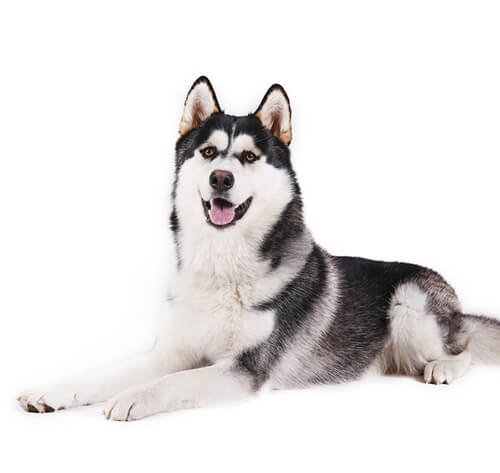
Alaskan Malamute
The Alaskan Malamute, a large and powerful breed, is generally not suitable for living in Housing and Development Board (HDB) flats in Singapore due to their size and exercise requirements. These dogs were originally bred by the Malemute Inuit people for heavy hauling and endurance sled pulling, which is reflected in their robust build and thick, weather-resistant coat. However, Alaskan Malamutes may be kept in private residential properties, provided that owners comply with all local regulations and licensing requirements.
In Singapore, there are breeders and pet shops that import Alaskan Malamutes, ensuring they undergo thorough health checks and certifications before being sold. Prospective owners should be mindful of the breed's needs for space and exercise, as Malamutes thrive with ample outdoor activities. For those considering this breed, understanding the commitment to training, socialization, and exercise is crucial for ensuring a happy and healthy life for their Alaskan Malamute.
DID YOU KNOW? The Alaskan Malamute was named after a native Innuit tribe called the Mahlemuts, who settled in Alaska.
The need-to-know
- Dog suitable for experienced owners
- Some training required
- Enjoys vigorous walks
- Enjoys walking more than two hours a day
- Large dog
- Some drool
- Requires grooming every other day
- Non hypoallergenic breed
- Very vocal dog
- Guard dog. Barks and alerts
- May require training to live with other pets
- May require training to live with kids
Personality
The Alaskan Malamute is known for its confident, friendly, and energetic personality. They are affectionate and loyal companions, making them ideal for active families.
History and Origins
Country of Origin: United States
Historically, these dogs were bred for heavy hauling and endurance, reflecting their powerful build and thick coat.
In terms of temperament, they are highly social and playful but can exhibit an independent streak. This requires consistent training and socialization from a young age. Malamutes are intelligent and can be problem-solvers; however, their independence may lead to challenges in training, necessitating patience and positive reinforcement.
Nutrition and Feeding
Nutritionally, Alaskan Malamutes require high-quality, nutrient-dense food to support their energy levels and muscular build. Regular grooming is also essential due to their heavy shedding and thick coats.
Exercise
Exercise is critical for this breed; they need daily physical activity and mental stimulation to prevent boredom and destructive behaviors. Malamutes are best suited for cooler climates and require ample outdoor space, making them less ideal for apartment living without sufficient exercise.
Other Information
Health and common issues
As with many breeds, Alaskan Malamute dogs can suffer from hereditary eye disorders, and hip dysplasia (a condition that can lead to mobility problems). Eye testing and hip scoring of dogs prior to breeding is therefore important.
Space requirements
A big house and well-fenced garden are important for an Alaskan Malamute - as is daily access to places to run. They are definitely not city dogs - and as they enjoy howling, they are best suited to living away from close neighbours.
Training alaskan malamutes
As this is a large dog, they need to learn all the usual basic manners that a training class will give them. The Alaskan Malamute never forgets that they are bred to pull sledges however - and so they need to learn to walk on a lead and harness for the occasions when they need to be under close control. Traditional dog walks are of little interest to a Malamute - they need to run and so training in sports like canicross can give them an appropriate outlet for their hard-wired behaviours. It goes without saying that they need extremely active owners who want a dog they can run with. While a good recall is extremely important and should be taught and practised, it shouldn’t be relied upon in the great outdoors when squirrels or just the need to run can make them deaf to anything else. If they are to live with other animals, early socialisation is vital and even then, care must be taken.
Best family dog breeds
Alaskan Malamutes can happily live with children as long as they are well socialised with them from an early age but as with any large dog, care should be taken. While many dogs are traditionally thought of as being good with children, all dogs and children need to be taught to get on with and respect each other, and be safe together. Even so, dogs and young children should never be left alone together and adults should supervise all interactions between them.
Did you know?
- Along with the lighter Siberian Huskies, Alaskan Malamutes were involved in The Serum Run of 1925 when 150 sled dogs transported diptheria antitoxin across Alaska coering 674 miles in just over 5 days, saving the small town of Nome and the surrounding communities from an epidemic.
- In World War 1, 450 Alaskan Malamutes were sent to France to deliver supplies to French army troops in mountain outposts.
- Previously they were used to deliver mail and transport supplies for the early settlers in Alaska.
- Alaskan Malamute’s were used in the Gold Rush to haul food and supplies over mountain passes.
- This breed was used to sniff for mines, carry weapons and act as search and rescue dogs in World War II.