

Cats, particularly kittens, are curious and prone to exploring their environment, which can lead them into dangerous situations. To ensure the safety of a new cat at home, it is essential to identify and remove toxic plants, such as lilies and azaleas, and to create a cat-proof living area both indoors and outdoors. It is recommended to keep cats indoors until they are microchipped and vaccinated, taking care to gradually introduce them to the outside world after they have acclimated to their new home. When allowing outdoor access, precautions should be taken to minimize risks from cars and other dangers, such as keeping a watchful eye during their initial outings, neutering to reduce roaming behavior, and keeping them indoors at night. Additionally, installing secure exits like cat flaps, using safe chemical products, and ensuring identification measures like reflective collars can further enhance a cat's safety. Overall, while allowing outdoor exploration can benefit a cat’s well-being, it should be done with careful consideration of potential hazards.
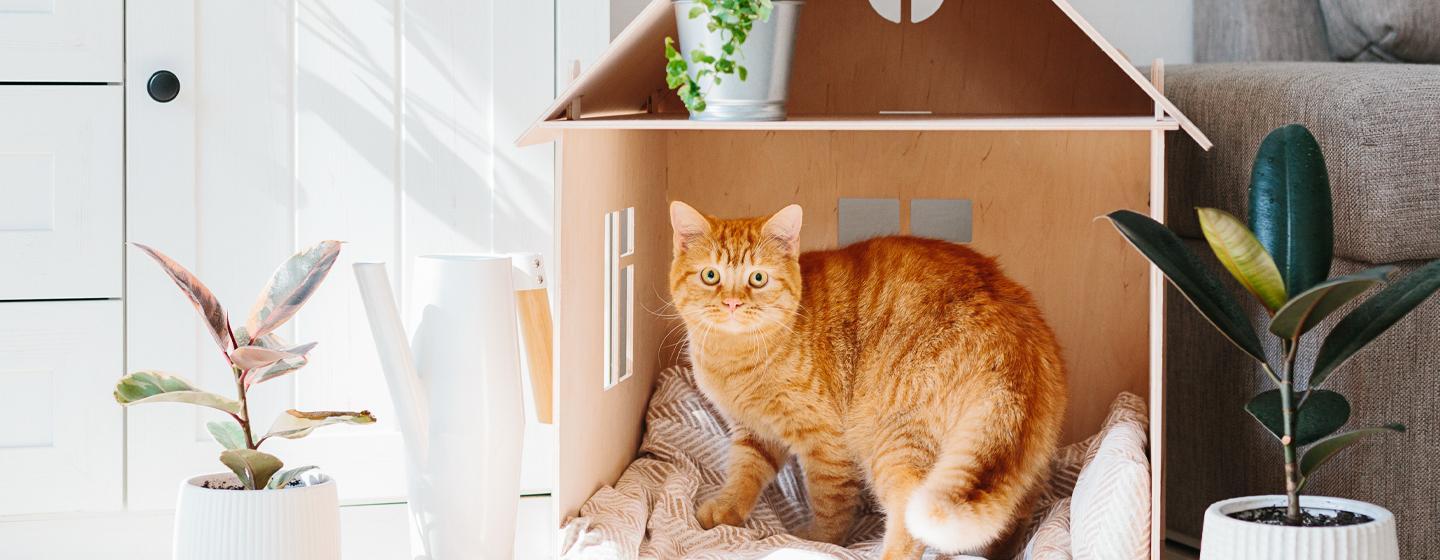
Cat Proofing your Home


Listen to this article

Summarise with AI
Summarise with AI

Share

Cats, especially kittens, are naturally inquisitive and investigate objects by touching, sniffing and tasting them. When you bring a new cat into your home, they’ll be curious about everything and won’t be able to tell the difference between what is and isn’t dangerous. Follow our checklist for a cat proof home and keep your pet out of trouble!
Dangerous plants that are not cat friendly
Cats are meat-eaters, but don’t be surprised if you spot your cat chewing vegetables or other plants. Some like to munch on grass outdoors, or nibble at the leaves of potted houseplants indoors. Keep a watch on what your cat is grazing on, as some plants are toxic to them. Make sure you get rid of these toxic plants:
• Lilies;
• Azalea;
• Daffodil;
• Tomato;
• Foxglove;
• Yew;
• Hydrangea;
• Dieffenbachia (Dumb Cane);
• Philodendron;
• Mistletoe;
• Poinsettia.
Your vet can give you a complete list of plants that could be harmful to your cat.
Do you need to cat proof the outside of your home for an indoor cat?
Some cats are quite happy staying indoors especially if it’s a cat friendly home and the environment is exciting enough to compensate for the lack of outdoor stimulation.
But your indoor cat has a natural instinct to play outdoors, establish territory, climb trees, and catnap in the sun. When outside, cats are exposed to more diseases and parasites, risk getting lost or stolen, and could get hurt by a car. If you decide to allow your cat outdoors, ask your breeder or vet for advice to make sure their outdoor space is safe as possible.
When should you let a new cat outside?
Even if the outside of your home is cat friendly, we recommend keeping your cat indoors until they’ve been microchipped and have completed their vaccination courses. Updated vaccinations, flea and worming treatments will keep them protected.
Give your cat time to become completely familiar with their home environment before you let them out. If they’re new to the family, or you’ve just moved house, encourage them to stay indoors until they’re fully settled and are used to their new surroundings. This should normally take around two weeks.?
Letting your cat out for the first time
Take it slow when introducing your cat to the great outdoors. Allow them to explore their new area as you watch from inside, and then after a few minutes encourage them back inside. Gradually extend the time they are outside until you are both comfortable.
Neutering your cat will minimise their desire to roam and will keep them closer to home. They’ll be less likely to come across other cats and get into fights.
Cat proofing your home – inside and out
Remove potential hazards
Check for any potential hazards like poisonous plants, unsecured areas (if they contain chemicals). Keep all doors closed.
Use chemical products carefully
Keep your cat away from herbicides or insecticides, until the area affected dries completely.
Avoid using poison to kill rodents
It can be fatal if your cat eats the poison directly or via a poisoned rodent.
Install a cat flap
Installing a cat flap will allow your cat access all day. Lockable cat flaps, or those that only let your cat in via a tag that recognises their microchip, are a useful addition.
Be aware of busy roads nearby
Living near a busy road doesn’t rule out giving your cat fresh air and exercise. If you have the space, you may build a cat run outside your home, linked by a cat flap. This should have a warm, weather-proof section and be positioned half in the sun, half in the shade. If possible, add a climbing frame, ropes and perches, some grass, a catnip plant, a litter tray and water bowl.
With or without a garden, more tips for cat proofing your home
Be aware that cats may find unusual places to rest or hide. Always make sure you check for any cats lying in your driveway before reversing your car.
Keep your cat in at night. Most road traffic accidents and fights with other cats occur after dark.
Make sure your cat wears a 'quick release' or 'break-away' collar (in case they get it caught), with an identification tag with your contact details. A reflector strip on the collar will also help motorists spot your cat at night.
Your cat might not be as comfortable when being taken somewhere. If you need to transport your cat, always use an enclosed mesh cat carrier with a blanket to keep them comfortable. Spray the inside of the carrier with a calming pheromone spray before placing them inside.
It is a brave decision to let your cat go outdoors but, if they’re keen and adventurous, and you’ve taken as many precautions as possible, it will keep them mentally stimulated and improve their physical fitness.