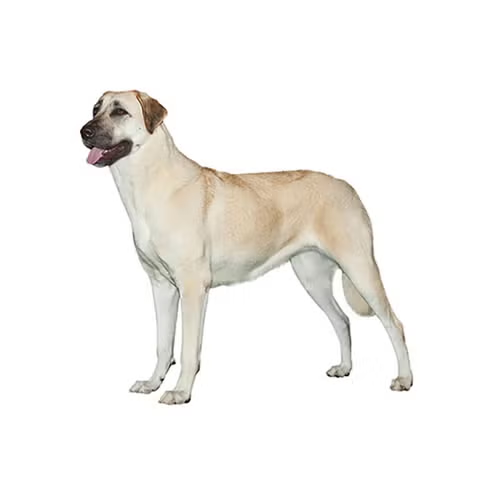
Anatolian Shepherd Dog

The Anatolian Shepherd Dog originated in rural Turkey about 6,000 years ago to guard livestock and serve as a companion to shepherds. Large, powerful and possessive, this breed adores his family but can be suspicious of strangers. The Anatolian Shepherd Dog has two coat varieties, Short and Rough, both which require little grooming. The breed does best with moderate exercise.

DID YOU KNOW? This breed is slow to mature, reaching adulthood at about 4 years of age.

ALSO KNOWN AS: Karaba? (Blackhead), Anatolian Blackhead (Anadolulu Karaba?), Kangal


The need-to-know


  • Dog suitable for experienced owners
  • Extra training required
  • Enjoys active walks
  • Enjoys walking one to two hours a day
  • Giant dog
  • Heavy drool
  • Requires grooming every other day
  • Non hypoallergenic breed
  • Quiet dog
  • Guard dog. Barks, alerts and it's physically protective
  • May require training to live with other pets
  • May require training to live with kids


Living Considerations
 Good with children when properly trained, not hypoallergenic, not suitable for apartment living
Size
 Large to Giant
Height
 Males - 50 centimetres, Females - 69 centimetres
Weight
 Males - 49 to 68 kilograms; Females - 36 to 55 kilograms
Coat
 Medium
Energy
Medium
Colour
 Fawn with black mask, pinto, white or brindle
Activities
 Conformation, Herding
Indoor/Outdoor
 Both
Personality

This breed's working history is still present today – he is naturally territorial, independent and highly intelligent. Because of the strong guarding instinct, early and ongoing socialisation and patient training is essential. Do ensure your garden is escape-proof with high possible double, fencing. Be sure to keep him occupied, as he may become destructive or problematic if bored.


History and Origins

The Anatolian Shepherd Dog, also known as the Karabash, is an ancient breed descended from the Mastiff and flock-guarding dogs of the Middle East. Tall, athletic and powerful, they protected their wards against such fierce predators as bears and wolves. Now they are used for guarding flocks of sheep and goats in Turkey, where they are regarded as a national emblem and are called 'Coban Kopegi' (translated as 'Shepherd's Dog').

Nutrition and Feeding

Giant-breed dogs, as well as having giant appetites, benefit from a different balance of minerals and vitamins, supporting different joint and cartilage needs. The Anatolian Shepherd dog breed is prone to bloating and stomach problems; try feeding smaller, more frequent meals to help minimise the risk.

Exercise

For his size, he doesn't need vast amounts of exercise; two one-hour walks a day should keep him happy. He enjoys walking – his working ancestors would have roamed many, many miles with nomadic shepherds.

Other Information

Health and common issues


The Anatolian dog breed is generally a very hardy breed, but as with many breeds they can occasionally suffer from hip dysplasia (a condition that can lead to mobility problems). Hip scoring of dogs prior to breeding is therefore important.


Best family dog breeds


While many dogs are traditionally thought of as being good with children , all dogs and children need to be taught to get on with and respect each other, and be safe together. Even so, dogs and young children should never be left alone together and adults should supervise all interactions between them.


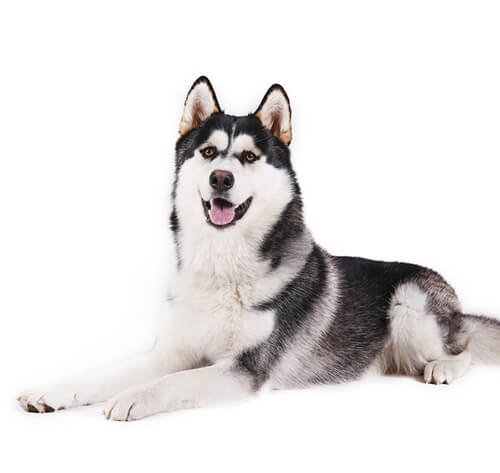
Alaskan Malamute

One of the oldest Arctic sled dogs, the Alaskan Malamute was first bred in Alaska to carry large loads over long distances. A majestic, dignified breed, the Malamute is highly intelligent and learns quickly, but he also can be strong-willed. Loyal, devoted and highly athletic, he is an affectionate family companion that enjoys outdoor activities. The Malamute needs daily exercise, and his thick, coarse coat requires daily brushing and occasional baths.

DID YOU KNOW? The Alaskan Malamute was named after a native Innuit tribe called the Mahlemuts, who settled in Alaska.


The need-to-know


  • Dog suitable for experienced owners
  • Some training required
  • Enjoys vigorous walks
  • Enjoys walking more than two hours a day
  • Large dog
  • Some drool
  • Requires grooming every other day
  • Non hypoallergenic breed
  • Very vocal dog
  • Guard dog. Barks and alerts
  • May require training to live with other pets
  • May require training to live with kids


Living Considerations
 Good with older children, not  hypoallergenic, suitable for apartment living
Size
 Large
Height
 Male - 63.5 centimetres at the shoulders, Female - 58 centimetres at the shoulders
Weight
 Males - approximately 38 kilograms, Females - approximately 34 kilograms
Coat
 Medium
Energy
Medium
Colour
 Shades of light gray to black, shades of sable to red, or all white
Activities
 Sledding, Agility, Conformation
Indoor/Outdoor
 Both
Personality

The Malamute dog is an affectionate, friendly dog who is devoted to their family, though not the ideal breed for a first-time owner as they can be challenging to own. As well as their almost insatiable need to run, they love to dig and howl, are often escapologists, and can have a high prey-drive for small, furry creatures – be they squirrels, cats or even small dogs. For owners who understand them and can give them what they need to be healthy and happy however they make outstanding and head-turning companions.


History and Origins

Country of Origin: United States


The Malamute is one of the oldest and strongest of the northern sled dogs and was beloved of the Mahlemut people of Alaska for whom the breed took their name. It is unclear just how old the breed is but there is history that suggests that they have been working in Alaska for over 5000 years. Their size, strength and stamina meant that they were used to transport heavy loads - and a team of dogs would have been able to drag half a ton across challenging terrain for hundreds of miles. When they weren’t needed as sled dogs, they would be employed as livestock guards and used to help hunt moose or bear.


Nutrition and Feeding

Large breed dogs, as well as having large appetites, benefit from a different balance of nutrients including minerals and vitamins compared to smaller-breed dogs. The Alaskan Malamute dog breed is prone to bloating and stomach problems; smaller, more frequent meals can help minimise this risk.

Exercise

The Malamute needs at least two hours a day every day of active running exercise but would be happier with more. The rest of the time, they are quiet and generally content to relax - with the occasional howl… just for fun! They enjoy being outside but extremely high and secure fences are a must.

Other Information

Health and common issues


As with many breeds, Alaskan Malamute dogs can suffer from hereditary eye disorders, and hip dysplasia (a condition that can lead to mobility problems). Eye testing and hip scoring of dogs prior to breeding is therefore important.


Space requirements


A big house and well-fenced garden are important for an Alaskan Malamute - as is daily access to places to run. They are definitely not city dogs - and as they enjoy howling, they are best suited to living away from close neighbours.


Training alaskan malamutes


As this is a large dog, they need to learn all the usual basic manners that a training class will give them. The Alaskan Malamute never forgets that they are bred to pull sledges however - and so they need to learn to walk on a lead and harness for the occasions when they need to be under close control. Traditional dog walks are of little interest to a Malamute - they need to run and so training in sports like canicross can give them an appropriate outlet for their hard-wired behaviours. It goes without saying that they need extremely active owners who want a dog they can run with. While a good recall is extremely important and should be taught and practised, it shouldn’t be relied upon in the great outdoors when squirrels or just the need to run can make them deaf to anything else. If they are to live with other animals, early socialisation is vital and even then, care must be taken.


Best family dog breeds


Alaskan Malamutes can happily live with children as long as they are well socialised with them from an early age but as with any large dog, care should be taken. While many dogs are traditionally thought of as being good with children, all dogs and children need to be taught to get on with and respect each other, and be safe together. Even so, dogs and young children should never be left alone together and adults should supervise all interactions between them.


Did you know?


  • Along with the lighter Siberian Huskies, Alaskan Malamutes were involved in The Serum Run of 1925 when 150 sled dogs transported diptheria antitoxin across Alaska coering 674 miles in just over 5 days, saving the small town of Nome and the surrounding communities from an epidemic.
  • In World War 1, 450 Alaskan Malamutes were sent to France to deliver supplies to French army troops in mountain outposts.
  • Previously they were used to deliver mail and transport supplies for the early settlers in Alaska.
  • Alaskan Malamute’s were used in the Gold Rush to haul food and supplies over mountain passes.
  • This breed was used to sniff for mines, carry weapons and act as search and rescue dogs in World War II.
 

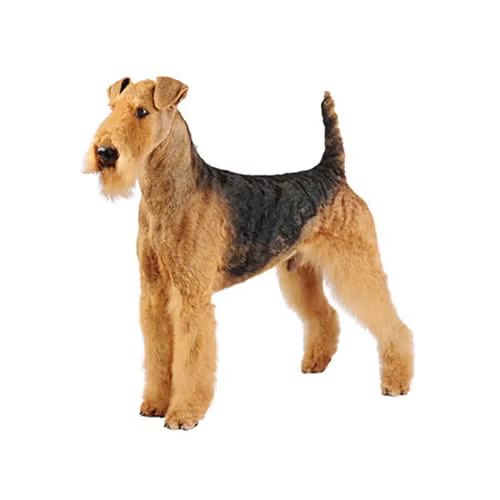
Airedale Terrier

The largest of the terrier breeds, the Airedale Terrier originated in the Valley of Aire in England, where factory workers bred him to be a good hunter, a strong, intelligent guard dog and a companion. The Airedale Terrier is a sturdy breed with a hard, wiry coat that became known as a “jack of all trades” doing police work, rodent control and hunting game. Airedales need grooming several times a year plus weekly brushing.

DID YOU KNOW? Among famous Airedale Terrier owners are Presidents Woodrow Wilson, Warren Harding and Calvin Coolidge.


The need-to-know


  • Dog suitable for owners with some experience
  • Some training required
  • Enjoys active walks
  • Enjoys walking one to two hours a day
  • Large dog
  • Minimum drool
  • Requires grooming every other day
  • Non hypoallergenic breed
  • Chatty and vocal dog
  • Guard dog. Barks and alerts
  • May require training to live with other pets
  • May require training to live with kids


Living Considerations
 Good with older children, not hypoallergenic, not suitable for apartment living
Size
 Medium
Height
 Males - 59 centimetres at the shoulders, Females - slightly less tall
Weight
 Males – 22 to 27 kilograms, Females – 18 to 21 kilograms
Coat
 Dense and wiry
Energy
 High
Colour
 Tan and black, tan and grizzle
Activities
 Conformation, Obedience, Agility, Hunting Tests, Police Work
Indoor/Outdoor
 Both
Personality

In common with most terrier dog breeds, the Airedale dog is confident, bold and outgoing. They are loyal, friendly, curious, energetic dogs who are fun loving, eager and tireless. They are devoted to their family and will protect them if they feel it is necessary. Airedale Terriers can sometimes be reserved with strangers and may not be entirely friendly to unknown dogs. While mostly kind and docile, they are the kind of plucky, fearless dogs that while they might not start a fight, will always finish one. A typical terrier, they may not be reliable with small furry animals and cats.


History and Origins

Country of Origin: England


Known as the ‘king of the terriers’ the hardy Airedale Terrier was created in the 19th century in the Aire, Wharfe and Calder river valleys of Yorkshire by hunters who wanted a terrier to help protect the fishermen’s catches from otters. They were developed from crosses from the now extinct Black and Tan Terrier to give them the rough coat, the Otterhound to give them the nose, and the Bull Terrier to give them tenacity. While they were primarily developed as otter hunters, they quickly found other jobs including as a duck-catcher, a ratter, a gun dog, a guard dog, an army messenger dog and even a transport police patrol dog.


Nutrition and Feeding

Airedale Terriers need to have a balanced diet including the main nutrient groups and a constant supply of fresh water. It's important to conduct regular body condition scores to ensure you keep your dog in ideal shape and remember to feed him at least twice daily and in accordance with the feeding guidelines of his particular food. The Airedale dog breed is prone to bloating and stomach problems. Smaller, more frequent meals can help minimise this risk.

Exercise

An active dog, the Airedale breed needs a moderate amount of dog exercise (1 to 2 hours daily), including dog games and training, to prevent boredom and to keep him fit and healthy.

Other Information

Health and common issues


The Airedale dog is generally a hardy breed. As with many breeds, they can suffer from hip dysplasia (a condition that can lead to mobility problems). Hip scoring of dogs prior to breeding is therefore important.


Space requirements


The Airedale Terrier is a large dog who enjoys space and so needs a large-ish house and garden - plus space to exercise so they are best in a rural environment.


Training airedale terriers


The Airedale is a joy to train and they love working with their owners although they do need to be kept motivated with reward-based dog training and plenty of variety. They can excel at dog sports such as agility and can become experts at scent work and love to have a job to do. They do need early and ongoing socialisation to ensure they stay reliable around other dogs and should be taught a strong recall.


Best family dog breeds


Airedales are generally gentle with children although may be too big for younger ones. They are best suited to active families with older children. While many dogs are traditionally thought of as being good with children, all dogs and children need to be taught to get on with each other and be safe together. Even so, dogs and young children should never be left alone together and adults should supervise all interactions between them.


Did you know?


Airedales have been extremely popular with US Presidents - and in fact three presidents in a row all had Airedales called Davie, Laddie Boy and Paul Pry respectively.


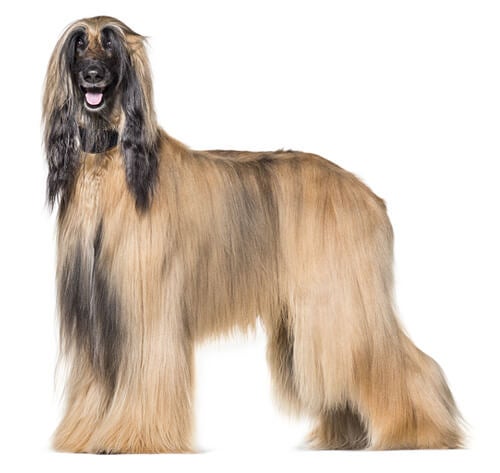
Afghan Hound

A dignified, aloof breed often considered an aristocrat, the Afghan Hound has a happy temperament and makes an excellent family companion. Little is known about the Afghan Hound’s history before the 19th century when he was discovered in Afghanistan. A large breed, the Afghan Hound requires regular exercise, and his long, silky coat needs regular grooming.

DID YOU KNOW? In April 2005 in Korea, an Afghan Hound called “Snuppy” became the world’s first successful dog clone.

ALSO KNOWN AS: Kuchi Hound, T?z?, Balkh Hound Baluchi Hound, Barutzy Hound, Shalgar Hound, Kabul Hound, Galanday Hound, Or sometimes incorrectly African Hound.


The need-to-know


  • Dog suitable for owners with some experience
  • Extra training required
  • Enjoys active walks
  • Large dog
  • Minimum drool
  • Requires grooming daily
  • Non hypoallergenic breed
  • Chatty and vocal dog
  • Not a guard dog
  • May require training to live with other pets
  • May require training to live with kids


Living Considerations
 Good with older children, suitable for apartment living, not hypoallergenic
Size
 Medium
Height
 63.5 to 69 centimetres at the shoulders
Weight
 22 to 27 kilograms
Coat
 Long
Energy
 High
Colour
 Any colour
Activities
 Agility, Conformation, Hunting, Lure Coursing, Racing, Rally Obedience
Indoor/Outdoor
 Both
Personality

Often aloof with strangers, early socialisation is a must for this regal dog, as is early puppy training. With their family and those they know, there’s no hint of standoffishness – they are wonderfully loyal and loving - and a bit of a clown.


History and Origins

Country of Origin: Afghanistan


Possibly the most glamourous of the sighthounds, the Afghan is probably a descendant of the Saluki brought to Afghanistan from Persia. As the climate in Afghanistan can be punishing - especially in the mountains, the dogs developed a longer coat as protection as they worked pursuing a variety of prey of all sizes including hare, gazelles, wolves and even snow leopards.The dogs were highly prized by the Afghan nomads who would gather together every year for a festival to celebrate their dogs and would dress them with traditional necklaces and flowers.The earliest Afghans appeared in the UK in the 1920s but thanks to their glamorous appearance, they soon became extremely popular.


Nutrition and Feeding

Large breed dogs benefit from a different balance of nutrients including minerals and vitamins compared to smaller-breed dogs. Afghan Hounds are prone to bloating and stomach problems; smaller, more frequent meals can help minimise this risk.

Exercise

An adult Afghan Hound needs a moderate amount of exercise (1-2 hours) but does need the opportunity for free running.

Other Information

Health and common issues


The Afghan dog breed is generally healthy and robust, with few breed specific problems commonly occurring. The breed club monitor the health of the breed carefully and should be contacted for the most up-to-date information and details of any DNA or additional testing they recommend. Breed Clubs can be found on the Kennel Club website.


Space requirements


A large dog, the Afghan appreciates space - both indoor and outdoors. Most importantly however is having access to safe, secure areas to run that are far from roads or any other hazards.


Training afghan hounds


Like most sighthounds, Afghans rather look down on the whole idea of training but early socialisation is important - as is training them to walk on a lead. It is worth putting the effort into training a good recall - although it shouldn’t be relied upon if a squirrel is spotted! Once an Afghan is enjoying their thrill of the chase - or even just of running free - all thoughts of recall leave their minds. If they are to live with cats, puppies should come from a breeder who has raised them together - or else time and care must be taken. They may never be reliable with strange cats or other small animals.


Best family dog breeds


The Afghan Hound makes a good family dog - although prefers a quiet home with constant company and so they are better with older sensible children. While many dogs are traditionally thought of as being good with children, all dogs and children need to be taught to get on with and respect each other, and be safe together. Even so, dogs and young children should never be left alone together and adults should supervise all interactions between them.


Did you know?


  • Given their speed, Afghan Hounds have been tried out on traditional greyhound tracks - but without much success. Being smart and resourceful they see no point in running round the outside of the track when they can just cut across the middle and head the prey off without any effort.
  • The Afghan Hound is one of the oldest dog breeds and legend has it that this breed was one of the animals rescued on Noah’s Ark.
  • This is one of the fastest ever dog breeds and can reach speeds up to 40mph.
  • Afghan Hounds were one of Picasso’s favourite dog breeds.
  • They have scent glands in their cheeks which produces a musky odour which is said to be quite pleasant!


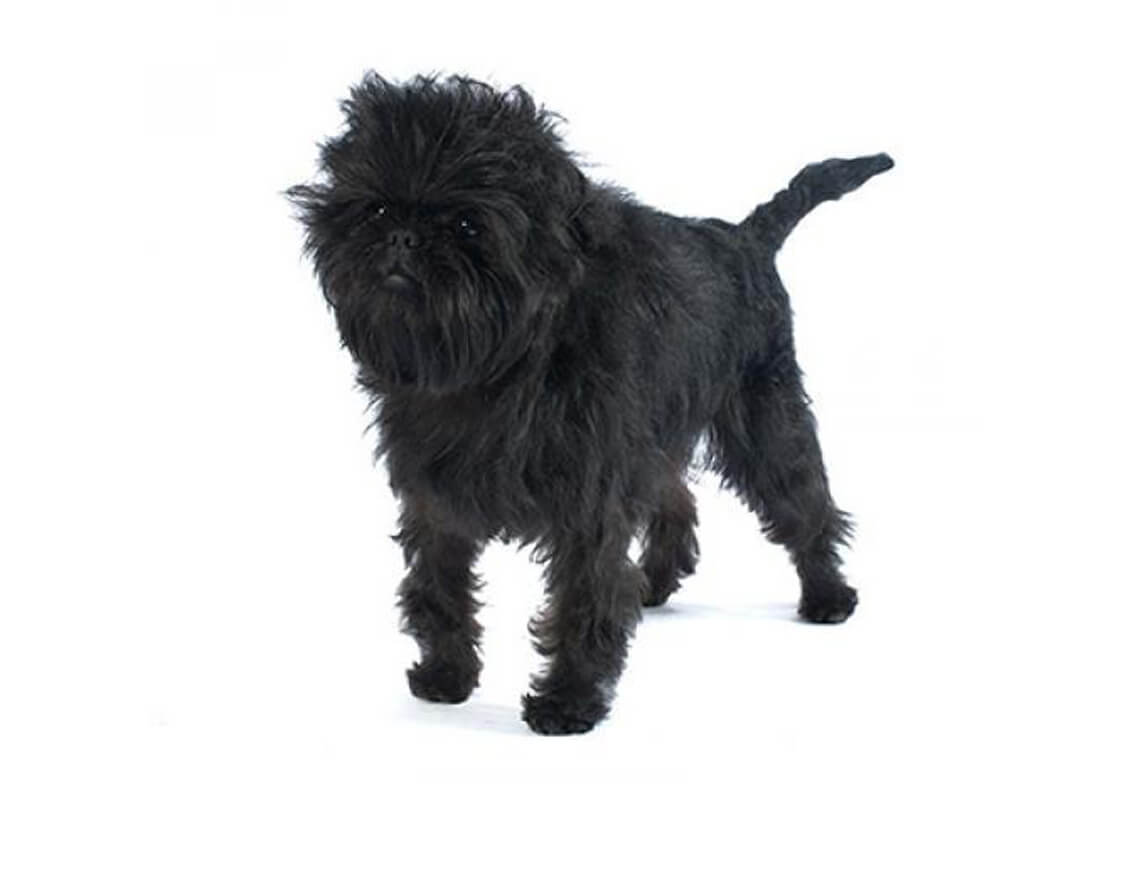
Affenpinscher

Fun-loving and sometimes mischievous, the Affenpinscher is an ancient toy breed from central Europe. With the face and impish nature of a monkey, this peppy breed is extremely loyal and affectionate toward his family, though fearless toward aggressors. Ideal for apartments, his exercise requirements can be satisfied with indoor play, but he also enjoys daily walks. The Affenpinscher’s wiry, hypoallergenic coat should be brushed twice a week and trimmed twice a year.

DID YOU KNOW? Affenpinscher means "Monkey Terrier" in German. In Central Europe where he originated, the Affenpinscher was called “little devil with a moustache.”

ALSO KNOWN AS: African Terrier


The need-to-know


  • Dog suitable for non-experienced owners
  • Basic training required
  • Enjoys active walks
  • Enjoys walking half an hour a day
  • Small dog
  • Minimum drool
  • Requires grooming once a week
  • Hypoallergenic breed
  • Chatty and vocal dog
  • Not a guard dog
  • May require training to live with other pets
  • May require training to live with kids


Living Considerations
 Good with older children, suitable for apartment living, hypoallergenic
Size
Toy
Height
 24 to 30 centimetres at the withers
Weight
 2.5 to 4.5 kilograms
Coat
Short
Energy
Medium
Colour
 Usually black, but also gray, silver, red, beige or black-and-tan
Activities
 Conformation, Obedience
Indoor/Outdoor
 Both
Personality

Lively, self-confident, strong willed and fearless, yet charming and comical, it is easy to see why instead of vanishing into the melting pot of working breeds, the Affenpinscher was promoted to cherished pet! Their sparkling eyes and monkey-whiskered face are irresistible and they are very affectionate with their owners, though often a little wary of strangers.


Despite their diminutive stature, the Affenpinscher still believes he is a working terrier at times, so does require some training!


History and Origins

Country of Origin:  Germany


The Affenpinscher started out as a ratting, vermin-control dog dating back to the 17th century. Their appealing round eyes, rough coat and monkey-like expression and endearing personality quicklyearned them something of an upgrade from working dog to companion breed, which in turn led to their refinement, introduction to the show ring and their survival today. While the origins of the breed are not certain, it has been suggested that they sprung from crossing German Pinschers with imported flat-faced oriental breeds.  When the breed nearly died out are thesecond world war, the remaining few dogs were crossed with the Griffon Bruxellois to re-establish the breed and give us the appealing and enchanting breed we know today.


Nutrition and Feeding

Toy dogs such as the Affenpinscher have a fast metabolism, meaning they burn energy at a high rate, although their small stomachs mean that they must eat little and often. Small-breed foods are specifically designed with appropriate levels of key nutrients and smaller kibble sizes to suit smaller mouths. This also encourages chewing and improves digestion. Discover more about how to offer your dog a balanced diet with our easy-to-follow guide.

Exercise

Around half an hour of dog exercise will be ample, but the Affenpinscher is an active dog. If fit and healthy, will take long walks and runs, but is small enough to be carried easily if an outing proves too much. Easily entertained at home or within a small garden should the need arise, it is important to keep the Affens brain well exercised with training, puzzles and games.

Other Information

Health and common issues


The Affenpinscher dog breed is generally healthy. However, like many small dog breeds, they can suffer from kneecaps that may temporarily slip out of place (luxating patellas), a hip condition and a windpipe problem. Check the breed club for the most up to date health information.


Space requirements


Due to their tiny size the Affenpinscher can live in any size of home. A secure garden is vital as this little breed can fit through the smallest of gaps or determinedly dig under to get to wherever they want to be. As long they are well socialised and taught to ignore noise, the Affenpinscher can live in town, city or countryside.


Training affenpinscher


The Affenpinscher is clever and will enjoy dog training – and a chance to work with their owner. They are fun and easy to train and this is a breed who can easily turn their paw to trick training, mini agility and can generally have a go at most doggy sports and activities.


Best family dog breeds


Suitable for older children and teenagers, the Affenpinscher is a little too small and easily underfoot to be safe around very young children. Excellent for the quiet family, child-free homes, but caution is required around cats as the Affen does love a chase and a slap from a claw-filled paw is a high risk to those large eyes! While many dogs are traditionally thought of as being good with children, all dogs and children need to be taught to get on with each other and be safe together. Even so, dogs and young children should never be left alone together and adults should supervise all interactions between them.


Did you know?


  • In France the breed is described as the ‘diablotin moustachu’, which translates to ‘moustached devil’ which should give you some idea of the Affenpinschers character as well as their appearance!
  • In Germany the first examples of the breed were known as ‘Zwergaffenpinscher’ which literally translates to ‘little-monkey-dog’, again, a hint towards their character as well as their looks!


Turkish Angora

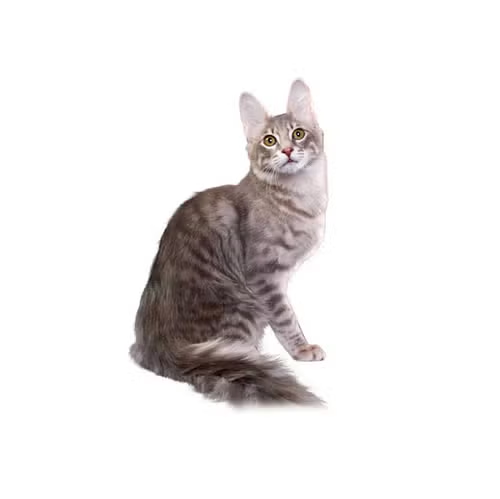
An elegant, beautiful breed, the Turkish Angora has a soft, silky coat on a slender, finely boned frame with a full, tapering tail. This active, playful feline is sometimes called the ballerina of the cat fancy due to her gracefulness. One of the most extroverted cat breeds, the Angora loves being the centre of attention and enjoys entertaining her human companions. This healthy breed usually lives a long life.

DID YOU KNOW? The Turkish Angora may have been the first longhair cat in Europe and is believed to have descended from longhair cats in Turkey, Russia and Persia. The breed is named for the former Turkish capital of Angora, today known as Ankara.


The need-to-know


  • Playful and curious cat
  • Sociable and dependent cat
  • Somehow talkative cat
  • Average build cat breed
  • Requires grooming once a week
  • Non hypoallergenic breed
  • Needs some out-door space
  • Great family cat


Living Considerations
 Good for family multi-pet households, not hypoallergenic
Size
Medium, with males weighing 3.5 to 5 kilograms and females weighing 3 to 4 kilograms
Coat
Semi-long, full, silky
Temperament
Affectionate, playful, loyal
Grooming
 Weekly
Shedding
Yes
Vocalisation
Moderate

Toyger

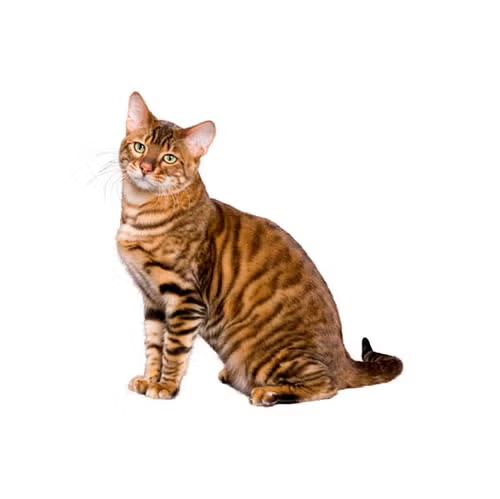
With her beautiful bold stripes and powerful body, the Toyger looks like a jungle tiger. This breed has a friendly, outgoing temperament and delights in being with people, even strangers, and gets along well with other pets. Highly intelligent, the Toyger is easy to train to go on leash walks and to play fetch. The Toyger is generally robust and healthy.

DID YOU KNOW? Bred to resemble wild tigers in a domestic package, the Toyger has a unique coat pattern for a domestic cat. Instead of the vertical stripes of the mackerel tabby or the rounded rosettes of some spotted tabbies, the Toyger has broken, or branched, bold vertical stripes in a random pattern.


The need-to-know


  • Highly active and inquisitive cat
  • Sociable and dependent cat
  • Somehow talkative cat
  • Average build cat breed
  • Requires grooming once a week
  • Non hypoallergenic breed
  • Needs some out-door space
  • Great family cat


Living Considerations
 Good for family multi-pet households, not hypoallergenic
Size
Medium, with males weighing 3.5 to 5 kilograms and females weighing 3 to 4 kilograms
Coat
Short, plush, soft
Temperament
Outgoing, intelligent, active
Grooming
 Monthly
Shedding
Yes
Vocalisation
Average

Himalayan

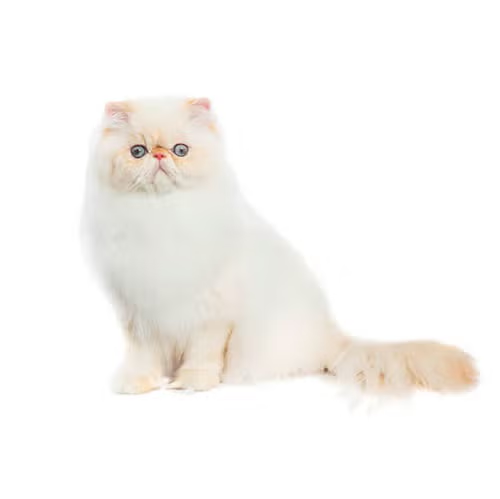
One of the most beloved cat breeds, the Himalayan craves affection and loves to be petted. The Himmy is a devoted, loyal companion that is good with children and other pets. This poised, sweet feline is calm and self-assured. She is also active and playful well into her senior years. A healthy, long-lived breed, the Himalayan’s body is various shades of white to fawn with point colours on her facial mask and extremities.

DID YOU KNOW? In 1950, an American cat breeder, Marguerita Goforth, began developing the Himalayan by crossing a Siamese and Persian. The Himalayan features the colour and pattern of a Siamese and the short, heavy-boned body and coat of the Persian, thus is referred to as a pointed pattern Persian.


The need-to-know


  • Highly active and inquisitive cat
  • Sociable and dependent cat
  • Somehow talkative cat
  • Average build cat breed
  • Requires grooming every day
  • Non hypoallergenic breed
  • Indoor cat
  • Great family cat
Living Considerations
 Good for family multi-pet households, not hypoallergenic
Size
Medium to large, with males weighing 4 to 6.5 kilograms and females weighing 3 to 5 kilograms
Coat
 Long
Temperament
Playful, active, social
Grooming
 Daily
Shedding
 Heavy
Vocalisation
 Moderate

Havana Brown

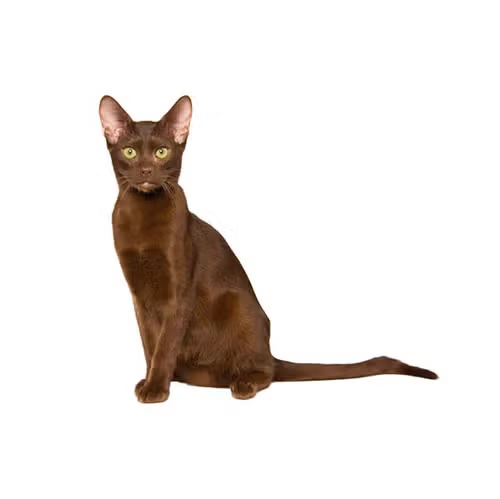
The Havana Brown is called the puppy of the cat fancy because this breed loves to follow her owners everywhere. Outgoing, playful and charming, Brownies are intelligent and easily trained to fetch. Unlike cats that use their sense of smell to investigate curiosities, this feline extends her paws, often appearing to be holding out a paw of friendship. The Havana Brown is social and doesn’t like being left alone too long.

DID YOU KNOW? The Havana Brown was named for the similarity of her lovely burnished, mahogany-toned, glossy coat to the brown color of Havana cigars. The Havana Brown is exclusive to North America. The Chestnut Brown, the European version of the Havana Brown, is the equivalent of the chestnut Oriental Shorthair.


The need-to-know


  • Playful and curious cat
  • Sociable and dependent cat
  • Somehow talkative cat
  • Average build cat breed
  • Non hypoallergenic breed
  • Indoor cat
  • Great family cat
Living Considerations
 Good for family multi-pet households, not hypoallergenic
Size
Medium, with males weighing 3.5 to 5 kilograms and females weighing 3 to 4 kilograms
Coat
Short to medium, smooth, lustrous
Temperament
Playful, adaptable, social
Grooming
 Rarely/Never
Shedding
Yes
Vocalisation
Soft, intimate voice

Balinese-Javanese

A Siamese in every nature except for her long, silky ermine coat, the Balinese, also known as the Javanese, has a distinctive luxurious tail plume. This long, slender cat is lithe but muscular. An easygoing breed with a clownlike personality, the Balinese adores people. This regal, aristocratic, intelligent cat is talkative, though less vocal than the Siamese. A healthy breed, the Balinese can live up to 20 years.

DID YOU KNOW? The long, elegant body of the Balinese prompted the breed being named after the graceful dancers from the island of Bali.


The need-to-know


  • Highly active and inquisitive cat
  • Friendly but independent cat
  • Very talkative cat
  • Average build cat breed
  • Requires grooming once a week
  • Non hypoallergenic breed
  • Indoor cat
  • Great family cat


Living Considerations
 Not hypoallergenic
Size
Medium, with males weighing 5.5 to 7.5 kilograms and females weighing 3.5 to 5.5 kilograms
Coat
Medium
Temperament
 Active, affectionate, demands attention
Grooming
 Monthly
Shedding
Yes
Vocalisation
Talkative