Back in 1991, the UK government brought in legislation aimed at tackling the issue of dangerous dogs after a spate of high-profile dog attacks.
In the period 1990-1991, there had been 11 serious dog attacks, seven of which were on children. The resultant media-driven public outcry led to the then Home Secretary, Kenneth Baker pledging to “rid the country of the menace of these fighting dogs” and rushing legislation through parliament with minimal debate in only six weeks.
While many criticised it as knee-jerk, flawed legislation, Baker argued that the Act was necessary to protect the public from “specific inherently dangerous dogs” – and there is no doubt that there was an issue with social unrest resulting from recession, which gave rise to a fashion for irresponsibly-kept (and often criminally used) ‘macho breeds’, especially within inner cities.
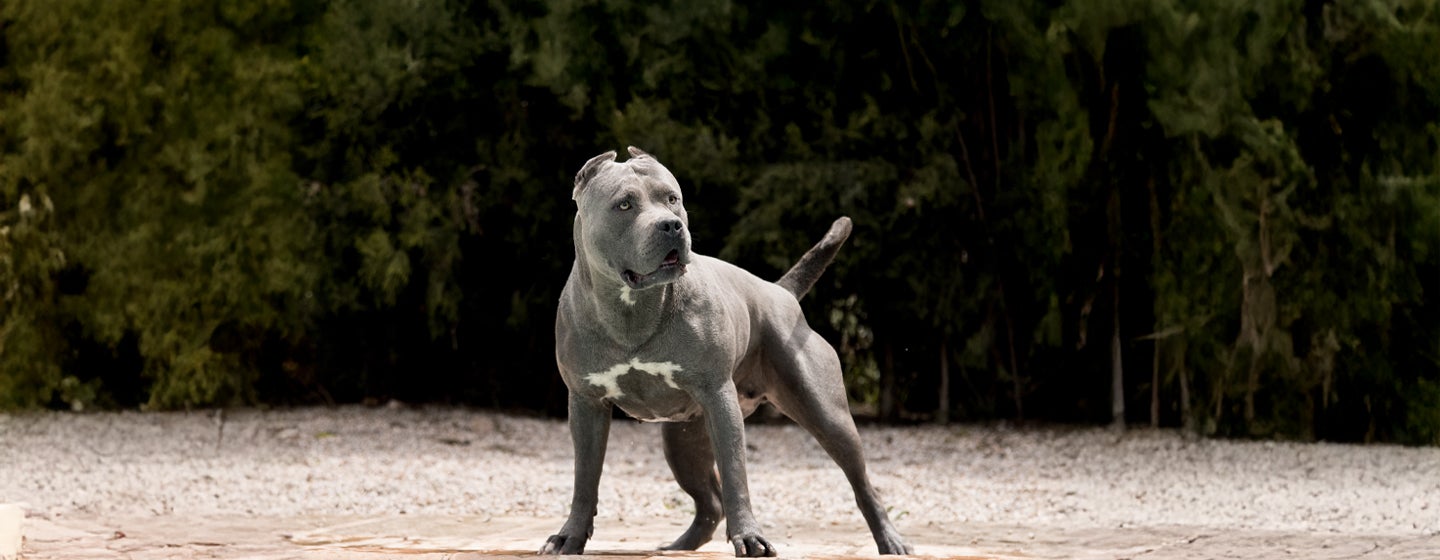
While only four of these attacks had involved Pit Bull Terriers, this is the breed that the media christened “devil dogs” and that bore the brunt of much of the resultant legislation.
Part of this legislation, Sct 1 of the Dangerous Dogs Act 1991, is known as breed specific legislation (BSL), which deems certain breeds illegal. This breed specific approach has been consistently questioned over the years and is often seen as one of the most controversial laws ever passed - and indeed in all the time this legislation has been in place, dog attacks have not decreased.
Despite that, in 2023 the Government announced that a new breed/type would be added to the list of prohibited dogs – the XL Bully.
So, what are the five prohibited breeds of dog in the UK and what does this mean for owners?