Sorry, you need to enable JavaScript to visit this website.
Skip to main content

Beta

Bakers

PRO PLAN Vet Diets

Dentalife

Purina One

PRO PLAN

Keeping Your Senior Cat Happy and Healthy Exercise & Mental Stimulation
Keeping Your Senior Cat Happy and Healthy: Exercise & Mental Stimulation
7 mins read
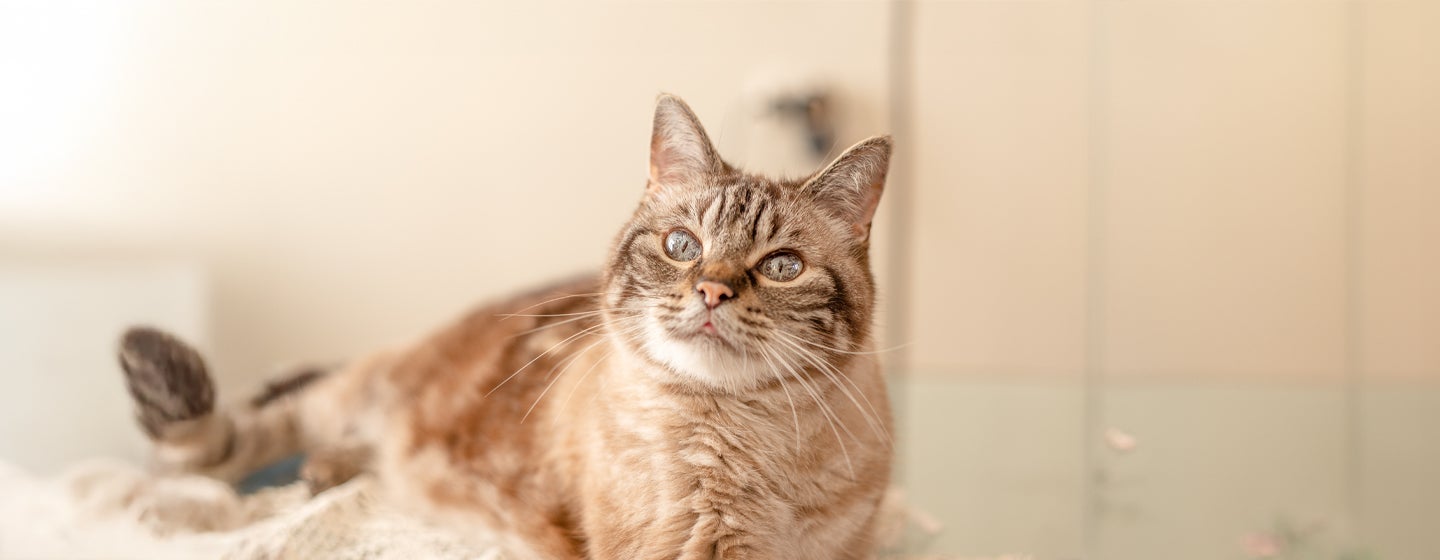
As cats get older, their needs change. Around the age of eleven, it’s time to adjust how you care for them to ensure they stay healthy and happy. While older cats may naturally become less active, keeping them stimulated and engaged is crucial for their wellbeing. This guide offers tips on how to include appropriate enrichment in their day to day lives, and how to set up their space to keep elderly cats comfortable and active. It's important to remember that every cat is different. Some older cats may remain active and playful, while others will prefer a more relaxed lifestyle. The key is to observe your older cat's behaviour and adjust your care accordingly. With a little knowledge and a lot of love, you can provide a comfortable and fulfilling life for your cat whatever their age.
Pamper Your Pup: Dog Grooming and Treat Ideas for International Dog Day
5 mins read
International Dog Day is a special day to celebrate the incredible bond between humans and their dogs. From playful puppies to wise old dogs, every dog deserves to be showered with love and attention. It's a day to appreciate their loyalty, companionship, and unconditional love. The day also aims to raise awareness about the importance of responsible dog ownership and the need for fostering and adoption as well as the joys of puppies. Make this day unforgettable with exciting adventures, pampering sessions, and of course, plenty of healthy treats.
A Guide to Grooming Your Ageing Cat
18 mins read
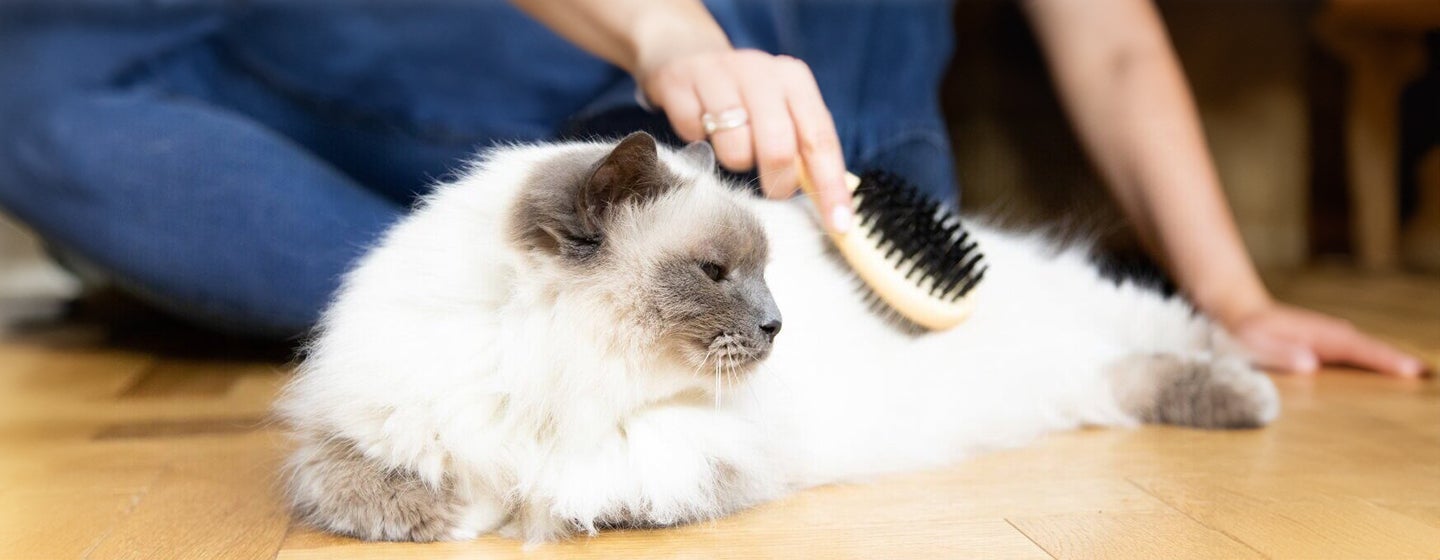
Understanding Your Senior Cat's Grooming Needs As cats age, they may face several grooming challenges. Common age-related health issues such as arthritis or becoming overweight can reduce their flexibility and so make self-grooming much more difficult for them. This can lead to dandruff, unkempt fur and unhealthy skin. Other conditions, such as hyperthyroidism, diabetes, and kidney issues, can also affect a cat's coat and skin. Older cats with these conditions may require extra care to remove dead hair and manage excess skin oil, preventing matting. It’s also common to see changes in their coat texture and skin health as cats age. Some ageing cats have an increase in the naturally produced oils from their skin, which can cause mats – often at the base of their tail and up their back. A sudden reduction in your cat’s self-grooming is always a cause for concern – especially if they are usually fastidious. It could indicate mouth or dental problems, pain or disease, and you should always contact your vet. Top Tip: Look for signs that your senior cat may need help grooming themself. These can include matted fur, dandruff, an unkempt appearance, itchiness, or increased hairballs. If your cat seems to be starting to have issues to grooming themself, it's time to step in and help them.
Maintaining a Healthy Weight for Your Senior Cat
6 mins read
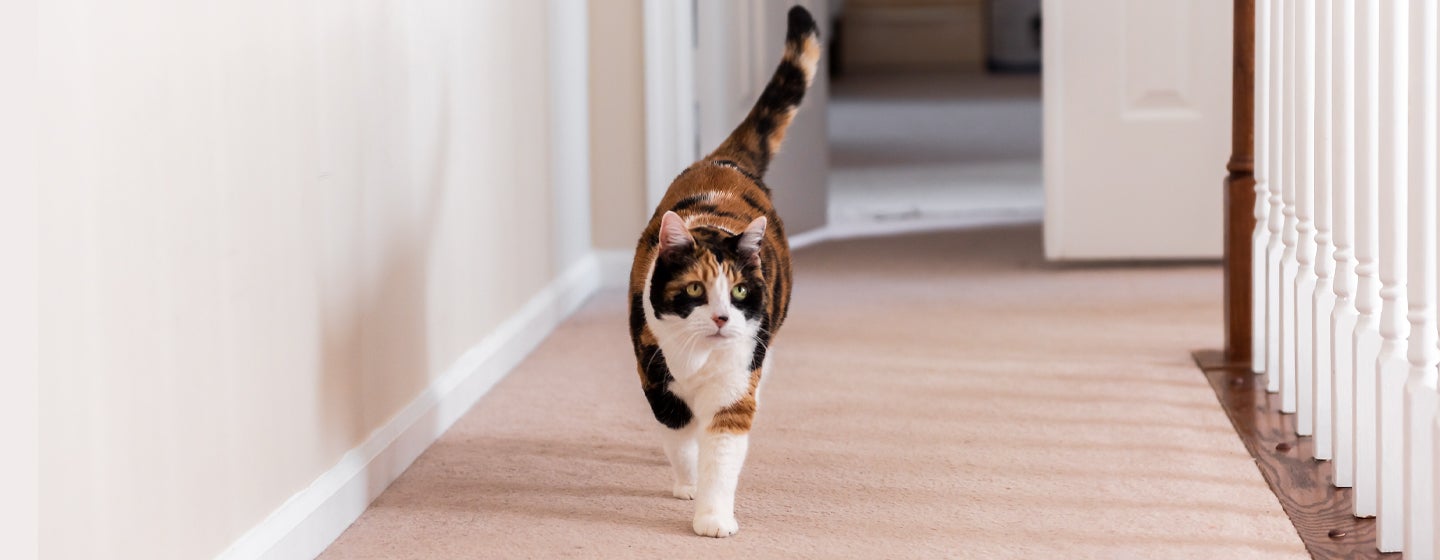
Understanding Weight Changes in Ageing Cats First things first, we need to understand that weight changes in ageing cats is normal, and they often occur in two distinct stages. As cats enter their senior years, they may become less active, which can lead to weight gain if we don’t adjust their diet, same as with dogs. However, as cats become geriatric, they tend to lose weight – both fat and muscle. This loss can be due to several factors, from dental problems, that make eating painful, to a decrease in their sense of smell and taste, as well as changes in their metabolism. Studies have shown that after the age of 11, a cat's metabolic rate can actually increase, while their digestion and ability to absorb nutrients decrease. Many cats over 12 struggle to digest fat (up to a third) and protein, which can lead to weight loss even if they're eating the same amount. This is why it's important to consider a cat's age when feeding them. Energy provision may need to be slightly decreased from 7 to 11 years old, but then increased from 12 years old onwards to account for these metabolic changes. In some cases, senior cats may actually need more food after the age of 12 to maintain a healthy weight.
Health

Pagination

  • First page
  • Previous page
  • Page 1
  • Page 2
  • Page 3
  • Page 4
  • Page 5
  • Page 6
  • Page 7
  • Page 8
  • Page 9
  • …
  • Next page
  • Last page
Purina Pet Club logo

Join Purina Pet Club for expert tips, helpful advice, exclusive offers and rewards.

Join the Club
Nourishing pets Purina pets grid card
Purina Pet Club logo

Join Purina Pet Club for expert tips, helpful advice, exclusive offers and rewards.

Join the Club
Nourishing pets Purina pets grid card

Footer

  • Cat
    • Care & Advice
    • Find a Pet
    • Food
    • Our Brands
  • Dog
    • Care & Advice
    • Find a Pet
    • Food
    • Our Brands
  • About Us
    • Our Mission
    • Our History
    • Our Purina Promise
    • Purina In The Community
  • Other
    • Join Purina Pet Club
    • Breed Selector
    • Contact Us

Footer

  • Cat
    • Care & Advice
    • Find a Pet
    • Food
    • Our Brands
  • Dog
    • Care & Advice
    • Find a Pet
    • Food
    • Our Brands
  • About Us
    • Our Mission
    • Our History
    • Our Purina Promise
    • Purina In The Community
  • Other
    • Join Purina Pet Club
    • Breed Selector
    • Contact Us

Footer

  • Cat
    • Care & Advice
    • Find a Pet
    • Food
    • Our Brands
  • Dog
    • Care & Advice
    • Find a Pet
    • Food
    • Our Brands
  • About Us
    • Our Mission
    • Our History
    • Our Purina Promise
    • Purina In The Community
  • Other
    • Join Purina Pet Club
    • Breed Selector
    • Contact Us

Footer

  • Cat
    • Care & Advice
    • Find a Pet
    • Food
    • Our Brands
  • Dog
    • Care & Advice
    • Find a Pet
    • Food
    • Our Brands
  • About Us
    • Our Mission
    • Our History
    • Our Purina Promise
    • Purina In The Community
  • Other
    • Join Purina Pet Club
    • Breed Selector
    • Contact Us
© 2026 Purina. All Rights Reserved.

©Reg. Trademark of Nestlé S.A.

Terms & Conditions
Privacy Policy
Cookies
© 2026 Purina. All Rights Reserved.

©Reg. Trademark of Nestlé S.A.

Terms & Conditions
Privacy Policy
Cookies
© 2026 Purina. All Rights Reserved.