Sorry, you need to enable JavaScript to visit this website.
Skip to main content
Can Cats Eat Eggs
Can Cats Eat Eggs?
6 mins read
Eggs are nutritious, they taste great no matter how we prepare them, and they bind many of our favourite recipes together. It’s unbelievable how many things we can do with just a humble little egg, but is it a good idea to feed this tasty food to our cats, too? If you are one of the many owners about to give in to their cat’s pleading eyes and offer them a bite of egg for breakfast, but you’re still pondering the question ‘can cats actually eat eggs?’, here are all the answers you need to know about cats and eggs.
Can Dogs Eat Rice
Can Dogs Eat Rice?
4 mins read
We know it as the versatile ingredient in our cupboard and we can always trust rice to taste good no matter what flavours it sits next to. What’s more, rice also serves as an important source of vitamins and a good source of energy.
Can Dogs Eat Pork
Can Dogs Eat Pork?
5 mins read
From sizzling bacon in the morning to lunch-time sausages and aromatic pork ribs for dinner, there are so many opportunities for dogs to get excited when pork is on the family menu. But should pork be added to your dog’s menu too?
Alabama Rot in Dogs
5 mins read
Alabama rot is a rare disease that affects dogs of all sizes, ages, breeds and genders. It was first discovered in Greyhounds in Alabama, USA in the 1980s, but cases dwindled out quickly. Many years later in 2012, cases with very similar signs were identified in the UK, and this is thought to be the same disease. There have been more cases reported in recent years but it’s unclear how much of this is because the disease is on the up and how much is because owners and vets are better informed about recognising the signs.
Addison’s Disease in Dogs
5 mins read
Addison’s disease in dogs is a disorder which is caused by insufficient levels of hormones produced by the adrenal glands. It’s named after Thomas Addison, the British scientist who first discovered the disease. We’ve put together this guide to tell you all you need to know about Addison’s in dogs, including the symptoms and treatment options currently available – keep reading to find out more.
The Easy Guide to Choosing a Boarding Kennel for Your Dog
8 mins read
Going on holiday, but planning on leaving your canine companion behind? Planning holidays are very different for pet owners. Before you can even start thinking about sandy beaches and sunny skies, you need to make sure your dog will be safe and happy while you’re away. That’s why knowing the ins and outs of pet sitting, doggy day care, and kennels, so you can find that perfect boarding facility for your dog, is so important. It can be a daunting thought to consider leaving your best friend in a place they don’t know, away from their family and familiar surroundings but before you think ‘there goes my relaxing holiday’, it’s good to remember that there are a few tried-and-tested ways to take the stress out of the boarding process. Here’s what you need to know about dog boarding so that both you and your four-legged family member can have a good time, even though you’re spending it apart. Top tips for choosing the right boarding kennel for your dog
Cat Worms Symptoms and De-Worming Treatment
Cat Worms: Symptoms and De-Worming Treatment
8 mins read
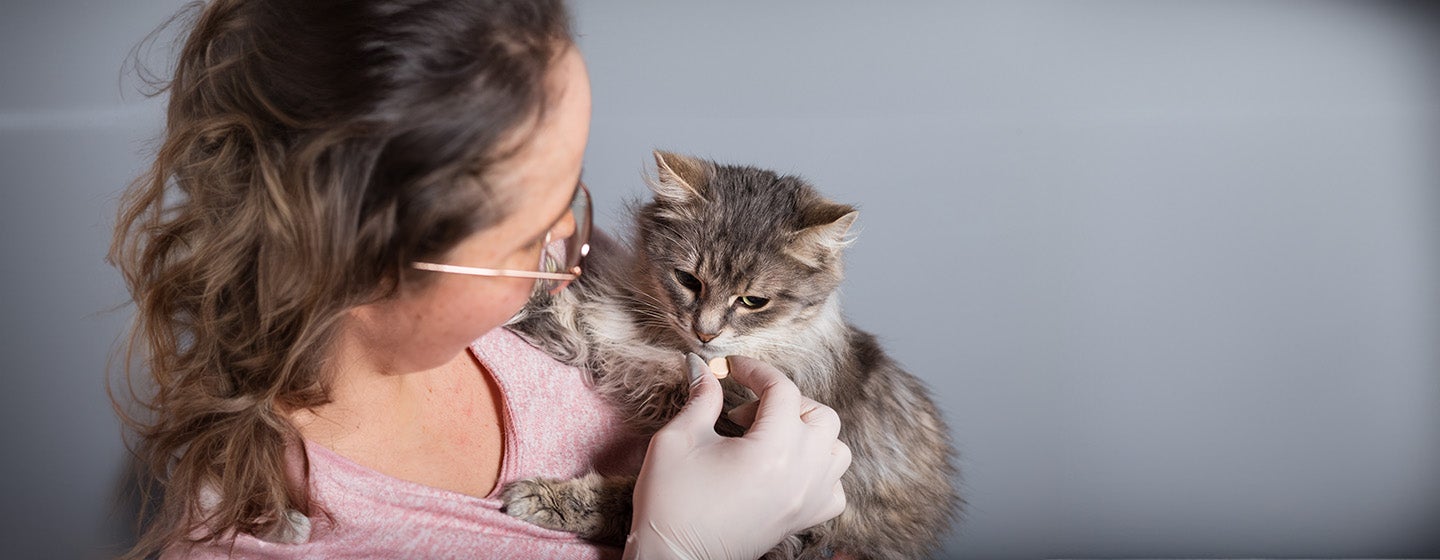
Worms are parasites that cats can get by accidently eating their eggs. The most common worms in cats are roundworms and tapeworms. Neither of them are good for your cat – they can cause everything from lethargy to a change in bowel habits, as well as weight loss and other symptoms. Your vet will be able to advise you on routine worm prevention which is part of cat care, and the symptoms of worms are easy to spot.
Health
Caring for Paralysed Dogs and Wheelchair Advice
7 mins read
Paralysed dogs often take a lot of special care to ensure they can continue living their lives happily and healthily. That’s why the experts at Purina have created this article to tell you everything you need to know about looking after them, as well as dog wheelchair advice for helping those with hind leg paralysis get back on their feet. Although sometimes the only option for your dog is an upsetting one, in other cases rehabilitation can take place. Dog paralysis is an inability to use one or more limbs, usually due to a spinal cord injury. This can of course be distressing for you, and you may have to make difficult decisions. Your dog’s treatment and prognosis will depend on the cause of their paralysis and the limbs affected, and your vet will advise you on the chances that your dog will regain use of their limbs again. Looking after a paralysed dog is a big commitment and can at times be difficult. If you work long hours or have a busy family life, you may not be able to provide enough care. Rehabilitation centres are available in some areas; here, your dog will be looked after until they are well enough to be cared for at home. Larger veterinary practises, too, might hospitalise dogs for longer periods.  
What Do Dogs Need
What Do Dogs Need?
4 mins read
The fact that you love your dog and want to do your best for them isn’t in question, but do we really understand what our dogs need in order to thrive? Looking after our beloved dogs comes natural. We give them a shelter, food, water and countless cuddles. But is this enough? It turns out dog's needs are just as complex as ours. Luckily, there is a handy visual tool you can use to make sure you take all your pet's needs into consideration for a happy, healthy and fulfilled life together. Linda Michaels (MA)adapted Maslow’s hierarchy to create thedog'sversion of the hierarchy of needs. This helps explain what your dogs need from you and, importantly, what you need to prioritise in order to give your dog the life they deserve when they join your family. Like us, our dogs thrive in a safe environment. This model is built on the premise that kindness is the foundation for all of your interactions with your dog and at the heart of all of the decisions you make for your dog. Before you start to think about training cues, you have to have created an environment in which your dog is able to learn; that environment starts with the basics. Here are your dog's different levels of needs you need to take into consideration.
Behaviour & Training
Benefits of Dog Muzzles and Muzzle Training
7 mins read
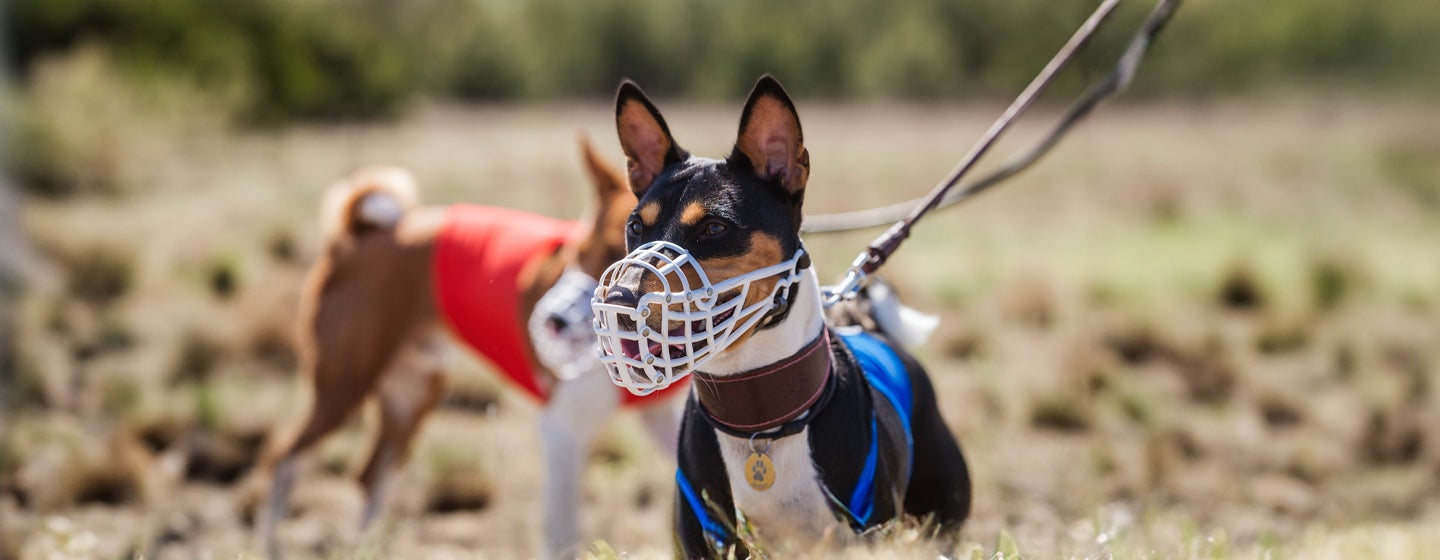
Dog muzzles often get a bad rap, but did you know there are actually quite a few benefits to wearing them for certain types of dogs and in some cases, legal requirements? Find out more about them and our dog muzzle training tips with this guide. Dog muzzles are fantastic! We know that they get a mixed response from people, but we also know how important they are and have written this article to help you with your dog muzzle training. If you read that and thought, ‘my dog doesn’t need a muzzle,’ then this article is for you. Not only are muzzles perfect for dogs that might be a little bit grumpy, reactive or worried when they’re out and about, they’re also often important to be able to use at the vet's in order to keep everyone safe. Dogs often behave unpredictably when they are in pain – and a vet’s practise can be a scary place. Your dog doesn’t know that your vet is trying to help them and can easily get a bit toothy in their fear or panic. For some dogs in the UK, the law dictates that they must be muzzled – these are dogs who have been registered under the Dangerous Dogs Act 1991 Section 1. Plus, some dogs (such as Greyhounds – especially ex racers - and other sight hounds) can be a serious threat to cats or other animals, and so wearing a muzzle when they are out and about prevents them from catching, injuring, or killing smaller mammals. And of course, there are those dogs who will eat everything they find when they are out and about – however inappropriate (stones, sticks, people’s picnics…!). For them a muzzle can prevent them from being able to do this while you work on their training. There are many reasons your dog might benefit from wearing a muzzle and if they have been introduced to it gradually and learnt to love their muzzle then any stress that could be accompanied by wearing one goes away.

Pagination

  • First page
  • Previous page
  • …
  • Page 33
  • Page 34
  • Page 35
  • Page 36
  • Page 37
  • Page 38
  • Page 39
  • Page 40
  • Page 41
  • …
  • Next page
  • Last page
Purina Pet Club logo

Join Purina Pet Club for expert tips, helpful advice, exclusive offers and rewards.

Join the Club
Nourishing pets Purina pets grid card
Purina Pet Club logo

Join Purina Pet Club for expert tips, helpful advice, exclusive offers and rewards.

Join the Club
Nourishing pets Purina pets grid card

Footer

  • Cat
    • Care & Advice
    • Find a Pet
    • Food
    • Our Brands
  • Dog
    • Care & Advice
    • Find a Pet
    • Food
    • Our Brands
  • About Us
    • Our Mission
    • Our History
    • Our Purina Promise
    • Purina In The Community
  • Other
    • Join Purina Pet Club
    • Breed Selector
    • Contact Us

Footer

  • Cat
    • Care & Advice
    • Find a Pet
    • Food
    • Our Brands
  • Dog
    • Care & Advice
    • Find a Pet
    • Food
    • Our Brands
  • About Us
    • Our Mission
    • Our History
    • Our Purina Promise
    • Purina In The Community
  • Other
    • Join Purina Pet Club
    • Breed Selector
    • Contact Us

Footer

  • Cat
    • Care & Advice
    • Find a Pet
    • Food
    • Our Brands
  • Dog
    • Care & Advice
    • Find a Pet
    • Food
    • Our Brands
  • About Us
    • Our Mission
    • Our History
    • Our Purina Promise
    • Purina In The Community
  • Other
    • Join Purina Pet Club
    • Breed Selector
    • Contact Us

Footer

  • Cat
    • Care & Advice
    • Find a Pet
    • Food
    • Our Brands
  • Dog
    • Care & Advice
    • Find a Pet
    • Food
    • Our Brands
  • About Us
    • Our Mission
    • Our History
    • Our Purina Promise
    • Purina In The Community
  • Other
    • Join Purina Pet Club
    • Breed Selector
    • Contact Us
© 2026 Purina. All Rights Reserved.

©Reg. Trademark of Nestlé S.A.

Terms & Conditions
Privacy Policy
Cookies
© 2026 Purina. All Rights Reserved.

©Reg. Trademark of Nestlé S.A.

Terms & Conditions
Privacy Policy
Cookies
© 2026 Purina. All Rights Reserved.