Sorry, you need to enable JavaScript to visit this website.
Skip to main content
Phantom Pregnancy in Dogs: Symptoms and Causes
5 mins read
Phantom pregnancies in dogs are very common, with symptoms from mothering behaviour and lactation, to lethargy and vomiting. Find out more about signs, causes and possible treatment. Has your dog started acting like they are pregnant, mothering their toys and creating a nesting space? Have you noticed mammary development and even milk from their nipples? Some female dogs may display signs equivalent to morning sickness; with lethargy and dog vomiting. If your dog has not been mated, this may leave you scratching your head as to why they appear pregnant. If they have been mated, before you get too excited about visions of cute puppies, you need to make sure it’s not a false or phantom pregnancy. Read on to discover what the signs of phantom dog pregnancy are, how a false pregnancy gets diagnosed and when medical treatment is necessary.
Pet friendly holiday homes
5 mins read
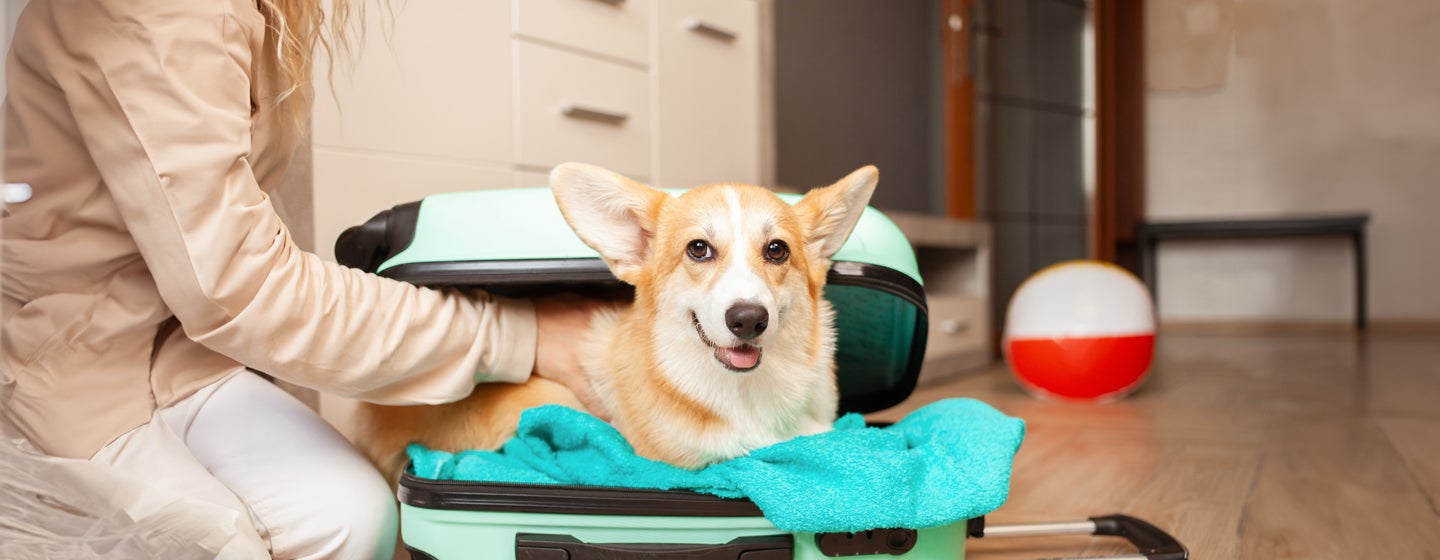
A holiday isn't a holiday without all the family, and that includes your dog too! We've created a list of our top 9 pet-friendly holiday homes in the UK that welcome the entire family so you don't have to leave anyone behind. Escape the hustle and bustle and set off for the lovely countryside with your dog. We’ve put together some of the most glorious pet-friendly holiday homes the UK has to offer so you won’t have to leave any important family members behind just because they’re walking around on all fours. With expansive views of the coast, miles of walks starting right from the doorstep, cosy cottages tucked away in mesmerising landscapes and dog-friendly pubs virtually next door, here are the pet-friendly holiday homes ready to welcome you and your dog with open arms.
Pancreatitis in Dogs
4 mins read
Pancreatitis in dogs can be acute or chronic and ranges in severity. Discover how to tell if your pet is suffering from this condition and what to do next. Pancreatitis is defined as inflammation of the pancreas. In this article we explain what causes pancreatitis in dogs, how it manifests and what treatment is recommended.
Pancreatitis in cats
3 mins read
Is your cat lethargic with a reduced appetite? There are many possible causes for these symptoms, but pancreatitis in cats is one to be aware of. Find out more about this condition including its diagnosis and management. The pancreas is one of the organs in the abdomen. It has roles in digestion and also produces insulin to help control blood sugar levels after eating. Pancreatitis in cats refers to inflammation of this organ, and is a more common disease than previously thought. This guide will help you to notice possible symptoms of pancreatitis and find out more about the condition.
Microchipping Your Cat
4 mins read
As well as lots of love and attention, it’s important to give your cat the best protection possible if they get lost or they go missing. Microchipping your cat, gives them the very best chance of being found and safely returned to you if they should wander off.
Helping Dogs Feel Comfortable When Out In The City
8 mins read
It's becoming more and more common for dogs to live in urban areas and of course, this presents its own unique challenges. Find out how to help dogs in the city feel happy and comfortable with our guide. With the pandemic behind us, people’s working lives have changed – sometimes beyond measure. Hybrid working or working from home is far more common now and this means that more people are able to take a dog into their lives as they are no longer working full time out of the home. This includes those who live in the city or more built-up urban areas. Caring for a dog in the city – whether you live there or are just visiting – presents its own unique challenges. We all love our dogs and want them to be as happy and comfortable as possible when we’re exploring the urban landscape. Read on to find out our tips for making sure you and your pup are feeling on tip top form when you’re out walking through the city. It is important to choose your breed carefully. Not all dogs – no matter how well socialised – can live in a city. For some, the constant stimulation of an urban environment will always be stressful – no matter how much we wish that were different. Not only did humans create different breeds to do certain jobs but they also developed them to be perfectly suited to the environment they did them in. These instincts and hard-wired behaviour patterns continue in today’s dogs. Those bred to react to movement or other external stimuli will be constantly triggered and on alert (think about the herding breeds such as Border Collies etc) and will never be able to relax enough to be happy and content. Those who guard or alert (big or small) will feel the need to announce loudly every passer-by or novel sound (which will not thrill your neighbours – who in a city, are likely to be much closer). And those who need lots of off lead exercise - exploring, sniffing, digging, or rampaging across the countryside – are very unlikely to get what they need in an urban setting. Once you have selected your perfect city dog, it will give them and you a huge head start, if you can find a breeder who rears their puppies in the city or at least in a bustling town. This means that from the moment they are born, the puppies will look on this environment as ‘normal’ – especially as their mum will be relaxed and comfortable with all this external stimulation. If your ideal new canine family member is an older dog from rescue, it will be important that the dog of your choice has experience of city living and is happy there, if you want them to be content and able to cope with an urban life.
Lockdown Coping Mechanisms for You and Your Dog
7 mins read
When we’re looking for coping mechanisms, we have to remember the basics; exactly what we do for our dogs; water, regular meal times, exercise, enrichment, rest… and kindness. This month, we’re taking a practical approach to building resilience with the help of our dogs. You’re living with someone that’s no stranger to having restrictions placed on their day-to-day activities. You know that we’re really just living our dogs’ life, don’t you?! For those of us with no choice but to stay at home, we’re limited as to what we can eat, our exercise routine has been determined by someone else and our freedom of choice has been taken away; for our own safety. When we’re looking for coping mechanisms, we have to remember the basics; exactly what we do for our dogs; water, regular meal times, exercise, enrichment, rest… and kindness. In these challenging times, our dogs are an incredible source of companionship and comfort, but it’s not their responsibility to make us feel better. We owe it to them, and to ourselves, to take positive action so that we can both benefit from the time we have together. Your dog is about to become your greatest teacher, if you let them.

Behaviour & Training
Kidney Failure in Dogs: From understanding the disease to managing its symptoms
7 mins read
Kidneys are very busy organs that have lots of responsibilities to keep your dog healthy, from removing toxins to maintaining their blood pressure and helping to create new red blood cells. With so many jobs to do, it can be a scary time if you think your dog’s kidneys are failing. Although more common in older dogs, kidney disease can affect any breed at any stage in their life and sadly, there’s no way of predicting which will develop it and which won’t. Early veterinary intervention is crucial for effective management of this disease, so let's delve into the common symptoms of a dog with kidney failure and explore treatment options for dogs with kidney problems in this comprehensive guide we've created to help you spot the early signs.
Is Your Dog’s Nose Dry Here is What It Could Mean
Is Your Dog’s Nose Dry? Here is What It Could Mean
4 mins read
Dog owners often believe that a healthy dog’s nose should always be wet and cold. Here is why dogs usually have wet noses and what it means if your dog has a dry nose instead. Whether it’s when they sniff your face in the morning or your hand as you give them a treat, the sensation dog owners expect to feel on their skin when the dog’s nose makes contact is a very particular one – that the nose should feel cold and wet. But what does it mean if your dog’s nose is dry instead? Keep reading to find out what makes a dog’s nose wet in the first place and how should an owner react if they discover that their pet’s nose is warm and dry.
Is Your Cat Overweight
Is Your Cat Overweight?
6 mins read
Just like us, cats can put on a few extra pounds, especially as they get older and become less active, or if they spend too much time indoors. However, it’s important to try and prevent your cat from putting on excessive amounts of weight as overweight cats can face many health problems that can prevent them from enjoying a happy and healthy lifestyle. Cat obesity affects around one in three adult cats in the UK population. That’s a lot of porky pets! The good news is that you can do a lot to help your feline friend keep their weight under control. By monitoring your cat’s weight and body condition, you can help reduce their chances of developing health issues that are common in overweight cats such as diabetes, osteoarthritis, lower urinary tract problems, and constipation.

Pagination

  • First page
  • Previous page
  • …
  • Page 47
  • Page 48
  • Page 49
  • Page 50
  • Page 51
  • Page 52
  • Page 53
  • Page 54
  • Page 55
  • …
  • Next page
  • Last page
Purina Pet Club logo

Join Purina Pet Club for expert tips, helpful advice, exclusive offers and rewards.

Join the Club
Nourishing pets Purina pets grid card
Purina Pet Club logo

Join Purina Pet Club for expert tips, helpful advice, exclusive offers and rewards.

Join the Club
Nourishing pets Purina pets grid card

Footer

  • Cat
    • Care & Advice
    • Find a Pet
    • Food
    • Our Brands
  • Dog
    • Care & Advice
    • Find a Pet
    • Food
    • Our Brands
  • About Us
    • Our Mission
    • Our History
    • Our Purina Promise
    • Purina In The Community
  • Other
    • Join Purina Pet Club
    • Breed Selector
    • Contact Us

Footer

  • Cat
    • Care & Advice
    • Find a Pet
    • Food
    • Our Brands
  • Dog
    • Care & Advice
    • Find a Pet
    • Food
    • Our Brands
  • About Us
    • Our Mission
    • Our History
    • Our Purina Promise
    • Purina In The Community
  • Other
    • Join Purina Pet Club
    • Breed Selector
    • Contact Us

Footer

  • Cat
    • Care & Advice
    • Find a Pet
    • Food
    • Our Brands
  • Dog
    • Care & Advice
    • Find a Pet
    • Food
    • Our Brands
  • About Us
    • Our Mission
    • Our History
    • Our Purina Promise
    • Purina In The Community
  • Other
    • Join Purina Pet Club
    • Breed Selector
    • Contact Us

Footer

  • Cat
    • Care & Advice
    • Find a Pet
    • Food
    • Our Brands
  • Dog
    • Care & Advice
    • Find a Pet
    • Food
    • Our Brands
  • About Us
    • Our Mission
    • Our History
    • Our Purina Promise
    • Purina In The Community
  • Other
    • Join Purina Pet Club
    • Breed Selector
    • Contact Us
© 2026 Purina. All Rights Reserved.

©Reg. Trademark of Nestlé S.A.

Terms & Conditions
Privacy Policy
Cookies
© 2026 Purina. All Rights Reserved.

©Reg. Trademark of Nestlé S.A.

Terms & Conditions
Privacy Policy
Cookies
© 2026 Purina. All Rights Reserved.