Sorry, you need to enable JavaScript to visit this website.
Skip to main content
All About House Cats
6 mins read
Having an indoor cat is growing in popularity because it’s thought to be much safer as it keeps them away from the risks of the outdoor world. If you’re thinking about keeping cats indoors, read this guide to find out all you need to know. In the UK, it’s quite common to let cats have free roam outside. However, with the increased risks from the outside world, more and more pet owners are opting for the safety of inside life for their cats. There are many reasons behind the growing number of indoor cats, but the general consensus is that owners are keeping cats indoors to ensure they’re safe. This may be due to the fact they live in a busy town with lots of road traffic or because they’re in an area with neighbouring cats who don’t get along. If you’ve recently got a new kitten or cat, you may be wondering what’s best for your newest family member, keep reading to find out more.
Behaviour & Training
All About Dog Poop
All About Dog Poop
8 mins read
As a dog owner you can sometimes find yourself obsessing over dog poop. From the colour of it, to the shape and consistency, you may be wondering what's normal. Our guide to dog poop aims to answer all of your questions and more. Every dog poops, this is true. Poop can seem like an unremarkable thing; but did you know that your dog’s poop can be a great indicator of your dog’s overall health and even prevent some health issues down the road if you know what to look for? That’s why over at Purina (and at your vet’s office!) we like to get personal about the poop-scooping experience. The next time you’re out on a walk with your dog, take a good look at your dog’s poop – this way you’ll be able to get a good whiff of the important information that your dog is trying to tell you.
Health
10 Interesting Puppy Facts: Things You Didn't Know
3 mins read
We all love puppies, right? It’s near impossible for any dog lover not to, surely. Wriggly, fluffy, loving and extremely cute – why wouldn’t you love them? We adore the little rascals – and they’re not just adorable; they’re interesting, too. Read on to find out some of our favourite facts about puppies. 1. Born helpless You might expect puppies to be helpless when they’re born. (They’re babies, after all!) But did you know that they’re effectively born deaf and blind, with no teeth? It’s one of our favourite puppy facts! Even the famous canine sense of smell isn’t active when a puppy is born, and their eyes and ears are closed. Their eyes open when they are between 10 and 14 days old, with eyesight fully developing at about 7 weeks. 2. The first sense to develop is touch Born without most of their senses fully developed, the first sense that puppies develop is touch. Almost from the very moment they are born, a puppy’s mother will lick and nuzzle them, stimulating their sense of touch. Touch continues to be important for your puppy throughout their lives. 3. Puppies can be twins There are often many puppies in a litter, each genetically unique – but did you know that puppies can be twins? The first confirmed case of this was recorded in South Africa in 2016, with vet Kurt de Cramer delivering them via Caesarean section. Although it’s possible that there have been other unconfirmed cases of genetically identical canine twins, this was the first officially recorded instance of identical puppies being born. 4. They have baby teeth Another interesting puppy fact is that they lose their first set of teeth – meaning that these could (adorably) be called baby teeth. Your puppy’s baby teeth will be replaced with adult teeth at about 4 months of age. 5. Their coat colour may change as they grow A bit like humans, the colour of puppies’ coats may change as they get older. Patches of colour can shift and grow, and how they do so can depend on breed. Dalmatians, for instance, don’t develop their famous spots until they are two or three weeks old. If your pup is purebred, then you’ll be able to more or less predict their appearance through how their parents look, but for crossbred or mixed breed pups, it can prove more complicated.
Puppy Care
Why Is My New Kitten Not Eating
Why Is My New Kitten Not Eating?
6 mins read
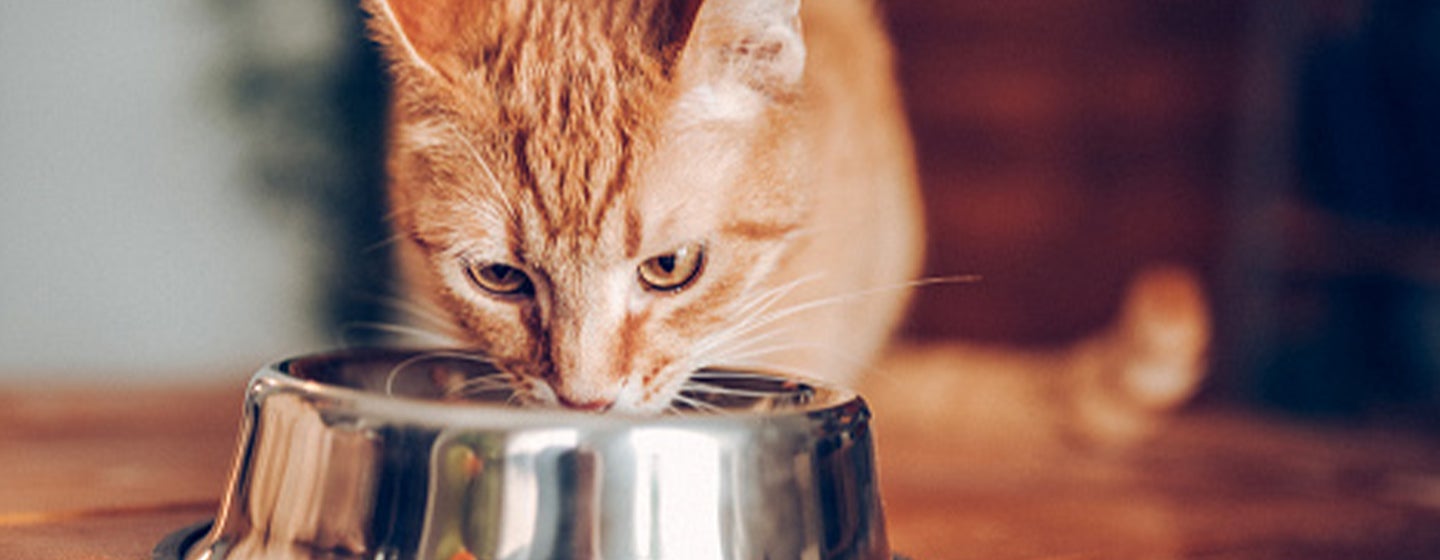
Kittens are sensitive creatures with a fussy side they often like to show off at dinner time. So if you’re wondering why is my kitten not eating, here are the most common explanations. You’ve got everything set up and ready for the new arrival. The best kitten food sat waiting in the cupboard next to delicious kitten treats – the perfect training rewards. No doubt you can’t wait to see your little cat feasting on the glorious meal. Yet sometimes what you’ll see instead is the new kitten not eating and woefully ignoring the bowl of food in front of them. When kittens turn their nose up at their food, we immediately think something must be wrong with the meal itself. Maybe it’s too hot, too cold, too wet, not wet enough, not the right variety of fish, or the wrong flavour, colour and smell. But in fact, there can be many reasons why a fussy eater will refuse the meal in front of them. It doesn’t always mean they’re disappointed with your taste in kitten food! Here are some common explanations for a kitten not eating.
Health
Why Is My Cat Vomiting
Why Is My Cat Vomiting?
3 mins read
Most cat owners will be used to seeing their cat vomit from time to time without being overly concerned. Usually the occasional vomit is a result of a minor problem such as overeating or playing too vigorously immediately after dinner time. However, if your cat is vomiting more frequently, it can be a sign of a more serious condition which requires immediate veterinary attention. Chronic vomiting (lasting a number of days to weeks) can be due to gastrointestinal or systemic (whole body) disorders. What is cat vomiting? Vomiting is the forceful expulsion of stomach contents through the mouth. It should be differentiated from the more passive regurgitation in which expelled food is more gently brought up from the oesophagus with no stomach contractions. Vomiting cats usually show signs of nausea including drooling, lip-licking and excessive swallowing before they throw up. Potential causes of vomiting in cats If your cat is vomiting, it can be due to a wide range of causes and in chronic cases it is vital for your veterinary surgeon to find out the exact cause in order to determine the optimal treatment for your cat. Common causes of your cat being sick include: • Hairballs. • High speed of eating. • Sudden dietary changes or the introduction of new food without a gradual transition. • Ingestion of something inappropriate such as spoiled food, toxins or foreign bodies. • Intolerance, allergies or sensitivities to certain food ingredients. • Gastrointestinal infections, such as viruses, bacteria, fungi or parasites. • Inflammatory bowel disease (inflammation of the stomach and/or intestinal tract). • Tumours of the stomach, bowel or other organs. • Diseases affecting other parts of the body such as kidneys, liver, pancreas or thyroid gland. Treatment when your cat is being sick Following a single episode of vomiting, check your cat for any other signs of illness such as listlessness, fever or diarrhoea. If possible, locate and remove any item which may have caused your cat to vomit in the first place, and also remove your cat’s food bowl for a few hours.
Health
Feeding & Nutrition
Why Is My Cat Sneezing
Why Is My Cat Sneezing?
3 mins read
While the occasional sneeze from your cat is completely normal and is no cause for concern, frequent sneezing might catch your attention. For humans, sneezing is a normal response to irritation in the nasal passages - the body’s way of removing an irritant from the nose. If your cat’s sneezing won’t go away, or if other symptoms such as a runny nose or eyes or coughing occur along with the sneezing, it might be time for a visit to your vet. What is cat sneezing? Sneezing is an explosive expulsion of air from the mouth and nose. Sometimes a shower of discharge is also sprayed out. This can be clear, or it may be bloodstained or even yellow or green if an infection is present.
Health
Why Is My Cat Always Hungry?
4 mins read
If your cat always seems to be hungry, here are a few reasons why that may be the case: from simple ones such as boredom to more serious conditions needing the vet’s attention. Is your cat acting hungry all the time? We tend to think of cats more as fussy eaters than food obsessed, but if you have a feline that doesn’t stop pestering you for food, it’s natural to wonder whether this is normal or if you should head to the vet. If you’re asking yourself ‘why is my cat always hungry’, here are a few possible reasons.
Health
Feeding & Nutrition
Behaviour & Training
Why Do Dogs Sneeze
Why Do Dogs Sneeze?
4 mins read
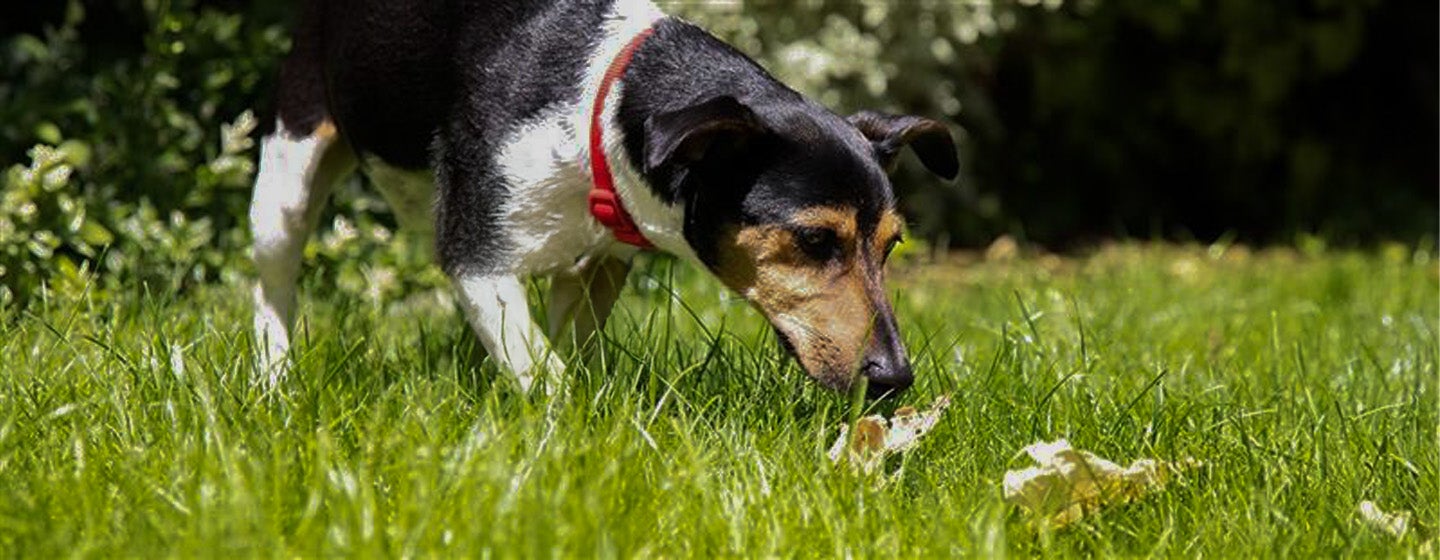
Dogs sneezing can be a common occurrence, but sometimes you may notice your dog sneezing during unusual times or more than usual. In this article we investigate the causes of sneezing in dogs and what it could mean for your dog. A dog sneezing is common, normal and really cute to watch! But why do dogs sneeze and what does it mean? When it comes to sneezing in dogs, it doesn’t tend mean that your dog has a cold, like sneezing usually means in humans. In fact, dogs sneeze for a large amount of reasons. It can be due to something minor like a reaction to dust, or more serious. Or it might be a “play sneeze” – more on that later. It all depends on how often your dog is sneezing and what colour the discharge is. In most instances, your dog is sneezing in response to an irritant in the upper airway of the dog’s nose. The dog then sneezes to expel the irritant, much like humans do! There can be many other reasons why your dog is sneezing though, so we’ve made this guide so you can find out why do dogs sneeze? Why do dogs sneeze? There are loads of reasons why your dog is sneezing. It could be an irritant in their nose like dust, household products, perfume or even pollen. Sneezing in dogs can also be due to something stuck in their nose, such as dirt from digging! If your dog is sneezing a lot, it may be a reaction to something in the atmosphere. Be careful when spraying items around your pet as it may irritate their nose. Hunting dogs and those that snuffle in the undergrowth can also get lots of unusual things stuck up their nose like fragments of twigs and leaves. If your dog likes to wander nose-first through the undergrowth, be sure to be on the lookout for this. Usually sneezing helps the dog to expel the item on its own, but if their nose is bleeding or they keep pawing at their nose and sneezing, consult your vet as they may need to remove the object.
Health
Why Do Dogs Scoot
Why Do Dogs Scoot?
4 mins read
Dog scooting is often considered a sign of rambunctious behaviour, but there are cases when it should prompt a call to the vet. Find out more about the unusual behaviour and what you can do to make sure it doesn’t happen again.
Health
Cat Vaccination & Health Care: What You Need to Know
5 mins read
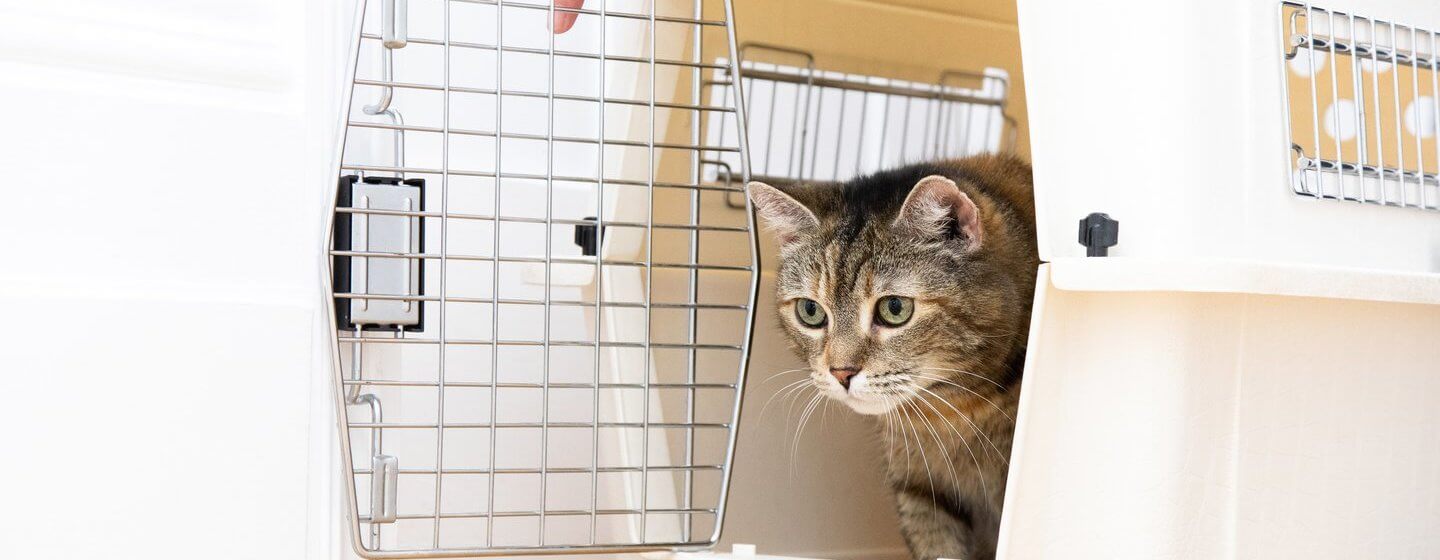
As a responsible cat owner, it’s important to keep up to date with your kitten’s vaccinations to protect them from a range of diseases. Read about when to vaccinate your cat or kitten and what to expect here. Cat vaccinations are vital to help protect them from common illnesses and to help keep them healthy. Additionally, kitten vaccinations are a condition of boarding for most reputable catteries and they are completely necessary if you want to travel abroad with your cat or kitten. Cat vaccines can be divided into two different types: core and non-core. Core vaccines are recommended for all kittens, and non-core vaccines are given depending on the risk to an individual cat. Discuss with your vet which vaccines are best suited to your cat. How kitten vaccinations work? The aim of the kitten vaccine is to immunise your cat against certain illnesses and diseases. The vaccines will help your cat’s immune system to recognise certain viruses and get to action quickly to fight the infection, before the disease can take hold. What are the core vaccinations for cats? Core vaccinations are those recommended for all cats. They’re designed to keep your pet safe and free from some very serious conditions, so it’s very important you get your cat vaccinated against these conditions as soon as possible. By vaccinating against these core diseases, you can also help to protect other cats living in your environment by helping to establish ‘herd immunity’. The more cats that are vaccinated in any one place, the harder it is for viruses to become established in a population. If too many cats are not vaccinated then those viruses become more of a risk to all the cats living there. Core vaccinations are those recommended for all cats. They’re designed to keep your pet safe and free from some very serious conditions, so it’s very important you get your cat vaccinated against these conditions as soon as possible. By vaccinating against these core diseases, you can also help to protect other cats living in your environment by helping to establish ‘herd immunity’. The more cats that are vaccinated in any one place, the harder it is for viruses to become established in a population. If too many cats are not vaccinated then those viruses become more of a risk to all the cats living there. Kitten vaccinations include: Feline Panleukopenia Virus (Feline Infectious Enteritis or Feline Parvovirus) This is a highly contagious virus and can often be fatal, particularly for young kittens. The most common symptoms are vomiting, diarrhoea, fever, dehydration (even if they keep drinking), loss of appetite and, less commonly, nervous signs associated with brain damage. Feline Calicivirus This virus causes cat flu (sneezing, nasal discharge, mouth ulcers and excess salivation/dribbling). Affected cats may be reluctant to eat and have a temperature. Feline Herpesvirus This also causes cat flu, fever, sneezing and nasal discharge as well as ulcers on the eye. Chronic infection can result in nasal diseases.
Kitten Care
Health
Senior Care

Pagination

  • First page
  • Previous page
  • …
  • Page 114
  • Page 115
  • Page 116
  • Page 117
  • Page 118
  • Page 119
  • Page 120
  • Page 121
  • Page 122
  • …
  • Next page
  • Last page
Purina Pet Club logo

Join Purina Pet Club for expert tips, helpful advice, exclusive offers and rewards.

Join the Club
Nourishing pets Purina pets grid card
Purina Pet Club logo

Join Purina Pet Club for expert tips, helpful advice, exclusive offers and rewards.

Join the Club
Nourishing pets Purina pets grid card

Footer

  • Cat
    • Care & Advice
    • Find a Pet
    • Food
    • Our Brands
  • Dog
    • Care & Advice
    • Find a Pet
    • Food
    • Our Brands
  • About Us
    • Our Mission
    • Our History
    • Our Purina Promise
    • Purina In The Community
  • Other
    • Join Purina Pet Club
    • Breed Selector
    • Contact Us

Footer

  • Cat
    • Care & Advice
    • Find a Pet
    • Food
    • Our Brands
  • Dog
    • Care & Advice
    • Find a Pet
    • Food
    • Our Brands
  • About Us
    • Our Mission
    • Our History
    • Our Purina Promise
    • Purina In The Community
  • Other
    • Join Purina Pet Club
    • Breed Selector
    • Contact Us

Footer

  • Cat
    • Care & Advice
    • Find a Pet
    • Food
    • Our Brands
  • Dog
    • Care & Advice
    • Find a Pet
    • Food
    • Our Brands
  • About Us
    • Our Mission
    • Our History
    • Our Purina Promise
    • Purina In The Community
  • Other
    • Join Purina Pet Club
    • Breed Selector
    • Contact Us

Footer

  • Cat
    • Care & Advice
    • Find a Pet
    • Food
    • Our Brands
  • Dog
    • Care & Advice
    • Find a Pet
    • Food
    • Our Brands
  • About Us
    • Our Mission
    • Our History
    • Our Purina Promise
    • Purina In The Community
  • Other
    • Join Purina Pet Club
    • Breed Selector
    • Contact Us
© 2026 Purina. All Rights Reserved.

©Reg. Trademark of Nestlé S.A.

Terms & Conditions
Privacy Policy
Cookies
© 2026 Purina. All Rights Reserved.

©Reg. Trademark of Nestlé S.A.

Terms & Conditions
Privacy Policy
Cookies
© 2026 Purina. All Rights Reserved.