Sorry, you need to enable JavaScript to visit this website.
Skip to main content
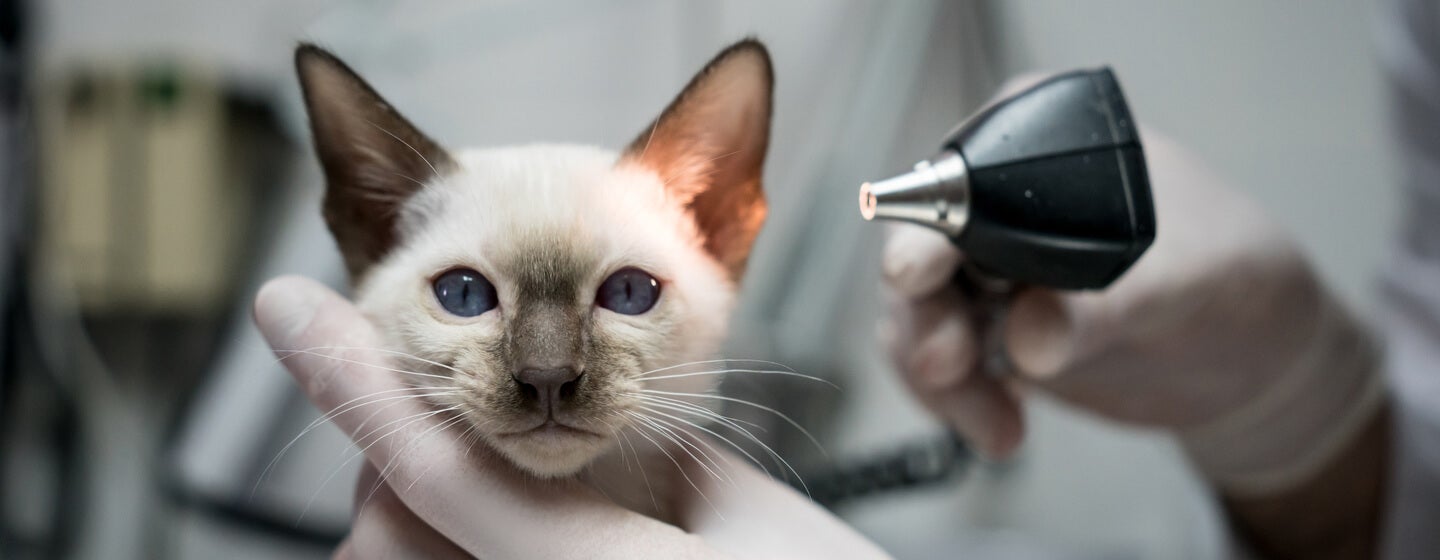
How to Treat Ear Mites in Cats
4 mins read
Ear mites are a common cause of feline ear problems. These tiny parasites can be extremely itchy and lead to long-term damage if left untreated. Find out what they are and how to treat them successfully. Is your feline scratching their ears more than usual? One of the most common causes for a cat’s ear discomfort are microscopic parasites known as ear mites. Read on to find out how ear mites in cats affect your pet’s health and what to do to get rid of them. What are cat ear mites? The most common type of ear mite in cats is Otodectes cynotis. These are barely-visible to the naked eye but may be seen as very small white dots. Diagnosis usually requires looking for the mites under a microscope. They get inside your cat’s ear canal, where they feed on the ear wax and skin debris. These mites can cause significant inflammation and swelling in the ear canal and are very itchy. Cats of all ages and breeds can be affected, with outdoor felines being the most susceptible to an ear mite infection.
Health
How to support your cat’s digestion
2 mins read
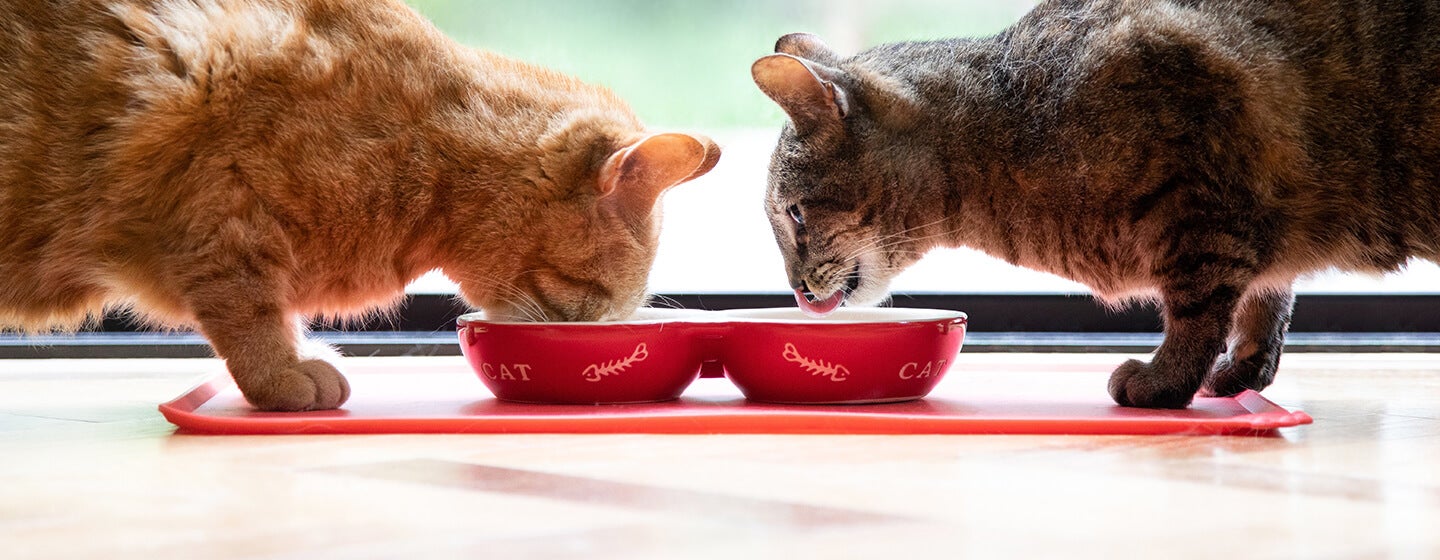
Good digestion is one of the keys to excellent health. By digesting and absorbing the goodness from food, your cat can take in all the nutrients needed to stay in top condition.
Health
Feeding & Nutrition
How to Stop Your Cat Biting
9 mins read
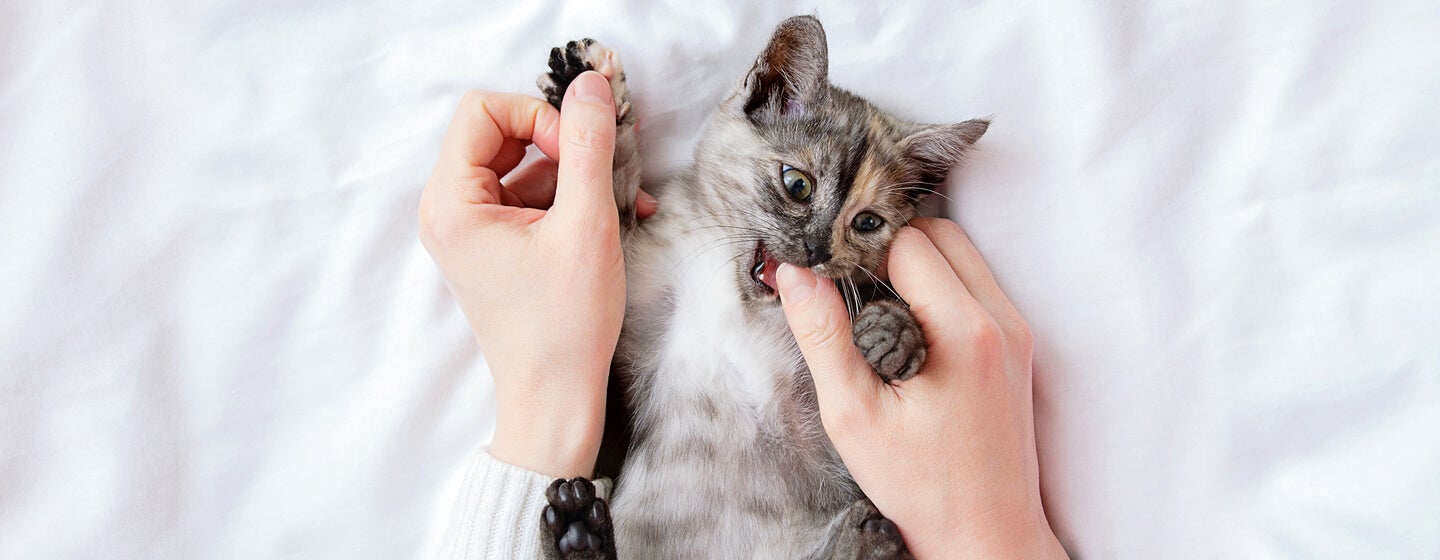
It's not pleasant if you have a cat who often seems to bite you. Learn more about the reasons why cats bite and the best ways to stop it with our guide and tips. It’s not uncommon for cats to bite. There are many reasons as to why a cat might suddenly start biting, seemingly unprovoked. It’s important to understand that cat-bitingis rarely done out of aggression, and if it is, it doesn’t mean your cat is ‘bad’. Cats are natural born predators, and as such seemingly aggressive actions such as biting, pouncing and clawing make up a large part of their play. Allowing and encouraging an outlet for this natural instinct is important for felines, but there is a fine line between engaging in stimulating play and encouraging or even causing aggressive behaviour. Learn more about the reasons behind why cats bite in order to help to stop any unnecessary biting.
Behaviour & Training
How to Massage Your Cat
6 mins read
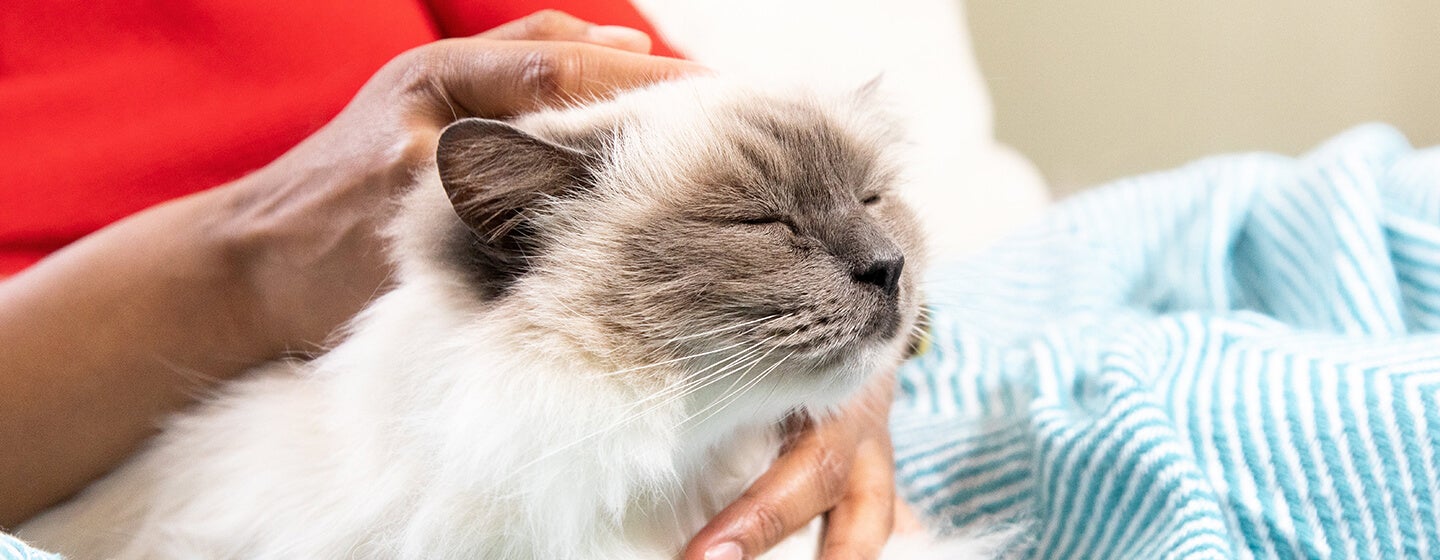
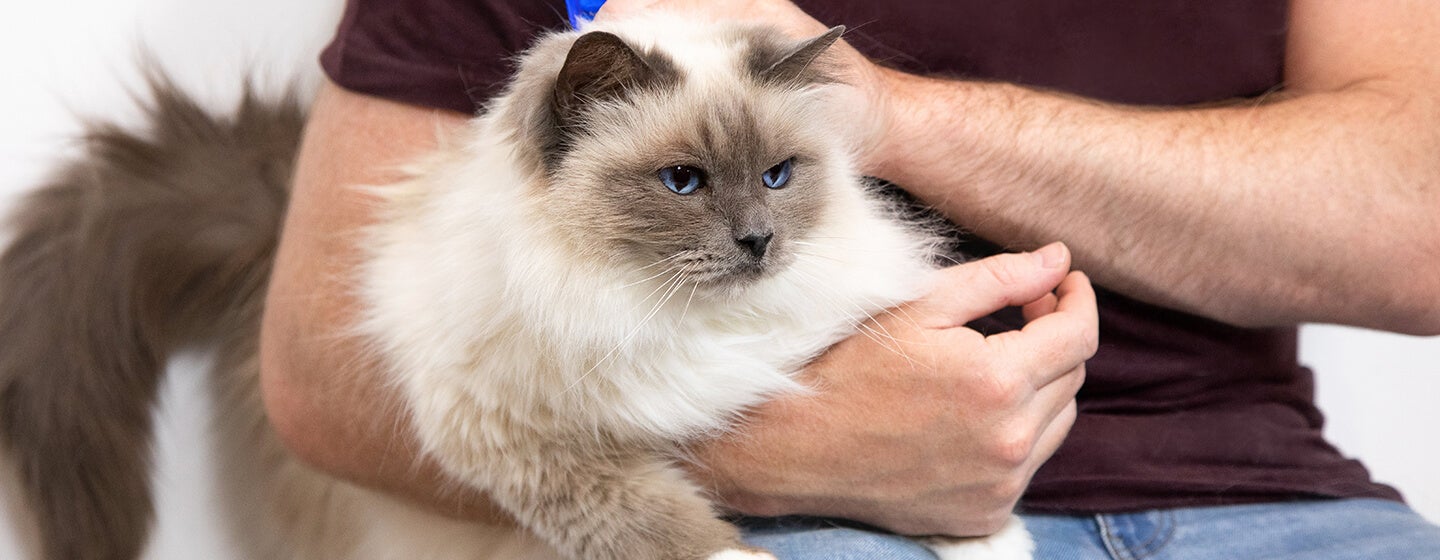
Pamper your feline friend with a lavish cat massage that will make them feel like theylives in the lap of luxury. There are a few things to keep in mind before you can become the resident specialist in premium cat massaging techniques. This article will give you the information you need to massage your way into your cat’s good graces.
Health
How To Groom Your Cat Properly
6 mins read
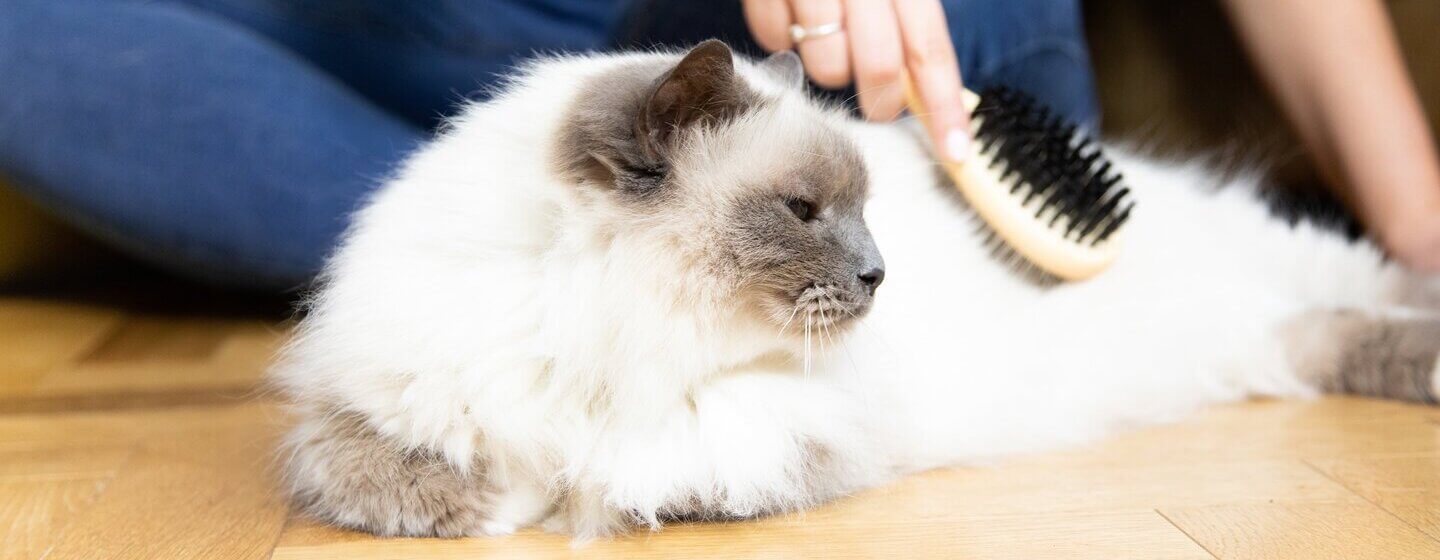
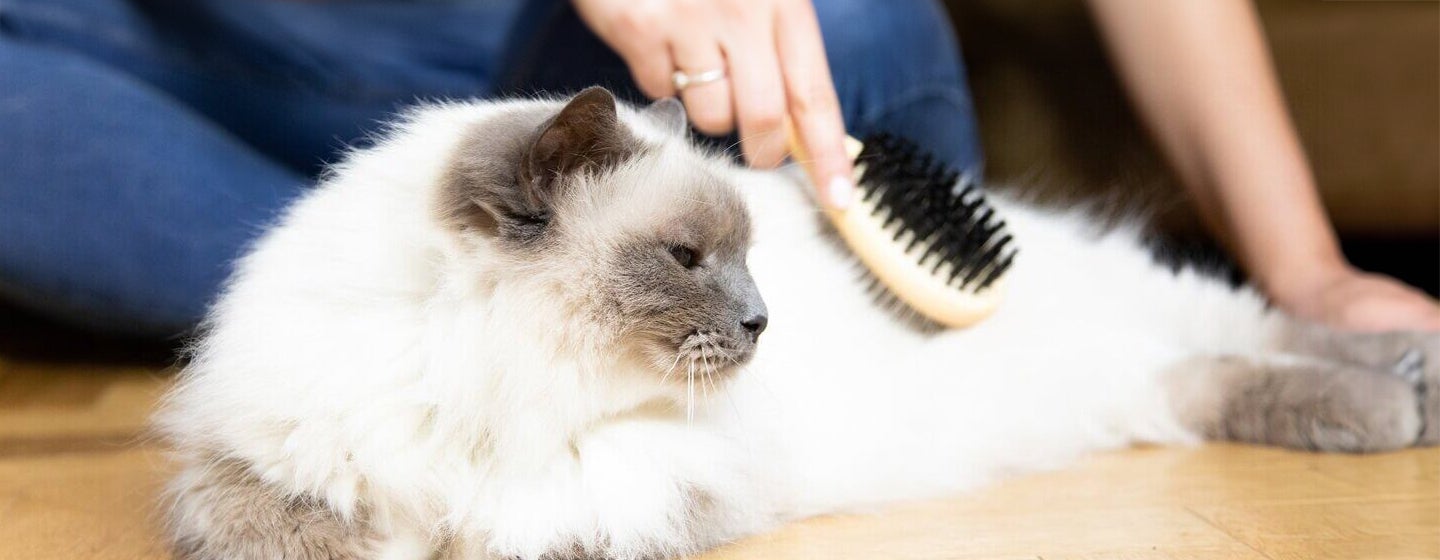
Most cats take real pride in their appearance, spending almost half their waking hours preening themselves to perfection. Being independent creatures, cats are keen to look after themselves, but that doesn’t mean you shouldn’t lend a hand in their pampering routine. Grooming your cat plays a big part in caring for your pet and regular maintenance will mean your cat looks great and feels great too! As well as helping to keep your cat looking beautiful, regular cat grooming allows you to spend quality time bonding with your pet, and gives you the opportunity to check their body condition and spot any unusual signs of health problems, such as lumps or bumps.
Health
Behaviour & Training
How to Groom a Kitten
7 mins read
Although your cat is beautiful, they are so much more than a pretty face. Not only do they have a stunning coat, but they’re biologically designed to look after them. Their rough tongues act like mini brushes, removing dead hair and distributing oils through their coat. They’re also smart enough to know that when these biological grooming aids are not enough – for example, if they get fur-balls or tangles – you can be counted on to help.
Kitten Care
Hernias in Cats
Hernias in Cats
4 mins read
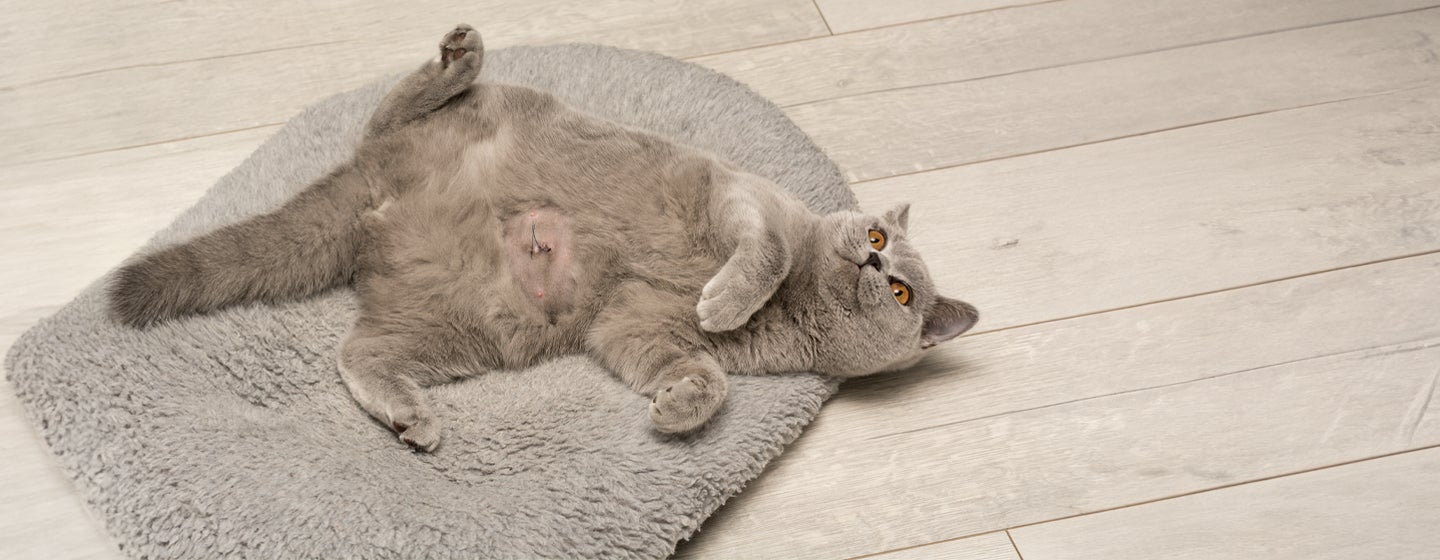
Hernias in cats are quite uncommon but they can still occur, and if they're caught early enough they generally aren't serious. Keep reading to discover everything you need to know about hernias in cats and what you should do if you think your kitty has one. Hernias in cats are quite uncommon but they can still occur, usually either as a result of trauma or most often they’re congenital (meaning they’re born with it). A hernia usually comes about as a result of a muscle defect or damage which allows internal organs and tissue to pass through. There are three different types, categorised by the location of the hernia itself. When caught early on, usually cat hernias aren’t serious, however they may become fatal if they’re left untreated. Keep reading to find out about the different symptoms, types, causes, diagnosis and how cat hernias are most commonly treated.
Health
Helping Your Puppy with Puppy Diarrhoea
3 mins read
Puppy diarrhoea can be unpleasant to deal with, especially when you’re already working on house-training your puppy. Aside from the difficulty for you, no owner wants to see their puppy suffer. It can also be tricky to recognise when puppy diarrhoea is a sign of something serious, and when it can be easily dealt with. This article gives you some information about puppy diarrhoea, plus practical advice on treating it. What gives a puppy diarrhoea? There are a number of different triggers for diarrhoea in puppies. The majority of these triggers are not serious and can be easily addressed in order to stop your puppy suffering.
Puppy Care
Feeding & Nutrition
Health
Hair Loss in Cats
Hair Loss in Cats
4 mins read
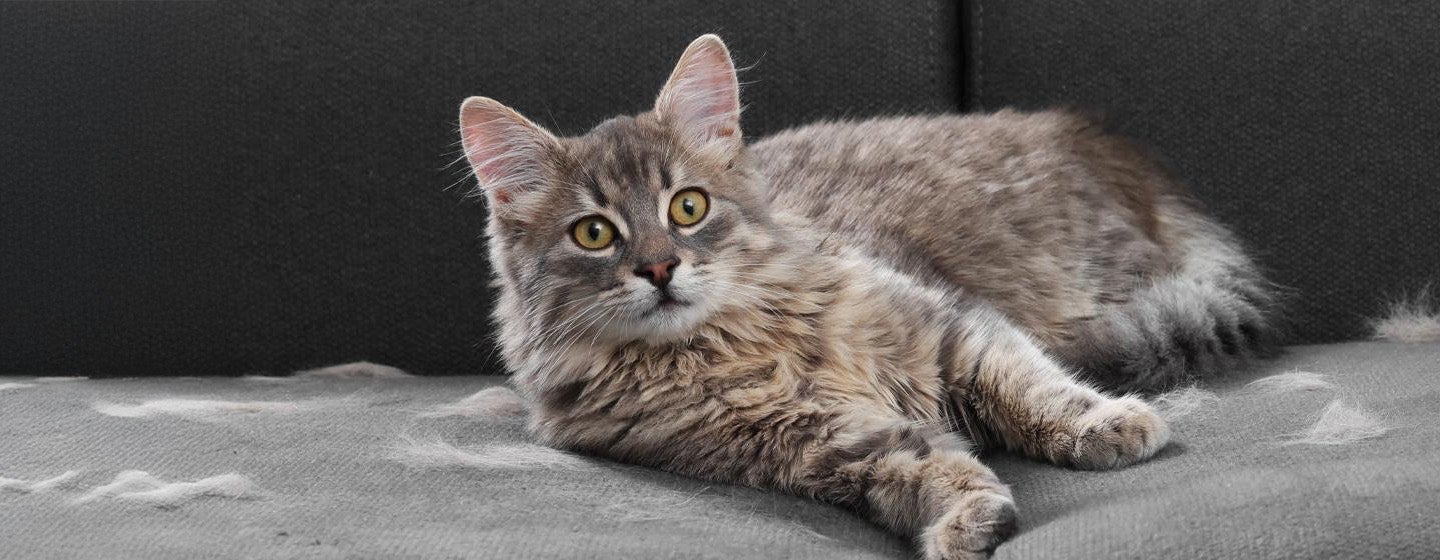
Have you gone to give your cat a loving stroke and felt that their fur isn’t as thick as it usually is, or have noticed that there’s a bald patch on your cat? There are a number of reasons why your cat could be losing their fur and it’s always important to get your vet to take a closer look to solve the problem of hair loss in cats. Check-ups with your vet are the best way to spot any signs of possible illness as soon as possible. Here are some of the cat symptoms to watch out for. Bear in mind that this list isn’t exhaustive, and you should always speak to your vet if you have any worries about your pet’s health. What causes hair loss in cats? Cat hair loss, also known as alopecia, could be caused by several common factors. Once you understand what is causing your cat to lose their fur, you can start to seek the right treatment to get them feeling, and looking, like themselves again. Cat skin conditions It’s possible that your cat may have an infection such as cat ringworm (a fungal infection), an infestation of parasites such as mites or fleas, or another cat skin condition caused by an allergy. As these will all be irritating to the skin, your cat might find it impossible not to scratch! By over-grooming or itching, they’ can give themselves bald patches and also fur-balls from swallowing hair as they lick or chew the area. Stress or painful cat skin You’ve heard of the phrase “tearing your hair out” when under pressure, and this can be very true for upset cats, as sometimes a stressed cat will start to pull out their fur. More unusually but also possible, cats can over-groom an area if it causes them pain, such as a sore joint. Cat Hormones In your cat, bald patches and hair loss can also be caused by a hormonal imbalance. Specific hormones are responsible for your cat’s hair growth and in turn, may also be the reason why your cat is losing hair. When there is a surplus or deficiency of these hormones, hair loss can occur. You might also find that your pregnant or lactating cat loses their hair due to the changes in their hormones during this time, but don’t be too alarmed as fur should eventually grow back overtime. General poor health, nutrition or underlying disease An unhealthy diet, poor health or an undetected disease can all be causes for your cat to lose their hair. As these are all quite broad reasons, it’s important to visit your vet to identify the underlying cause. Some causes for hair loss in cats can also affect humans, and are contagious. Although this is unusual, it’s worth booking an appointment with your vet as soon as possible to avoid an unhappy pet and owner, too. Remember that a cat shedding it's fur happens all year round, but they tend to shed more in the summer and autumn, known as cat moulting season. If the hair loss is from all over their body, with no bald patches appearing, this is completely natural and will soon pass.
Health
Gingivitis in cats
Gingivitis in cats
4 mins read
Gingivitis is a common dental problem that affects a number of different animals, including cats. If left untreated it can develop and become a more serious issue known as periodontal disease. Keep reading to learn about the causes of gingivitis in cats along with how to spot the signs of the disease.
Health

Pagination

  • First page
  • Previous page
  • …
  • Page 117
  • Page 118
  • Page 119
  • Page 120
  • Page 121
  • Page 122
  • Page 123
  • Page 124
  • Page 125
  • …
  • Next page
  • Last page
Purina Pet Club logo

Join Purina Pet Club for expert tips, helpful advice, exclusive offers and rewards.

Join the Club
Nourishing pets Purina pets grid card
Purina Pet Club logo

Join Purina Pet Club for expert tips, helpful advice, exclusive offers and rewards.

Join the Club
Nourishing pets Purina pets grid card

Footer

  • Cat
    • Care & Advice
    • Find a Pet
    • Food
    • Our Brands
  • Dog
    • Care & Advice
    • Find a Pet
    • Food
    • Our Brands
  • About Us
    • Our Mission
    • Our History
    • Our Purina Promise
    • Purina In The Community
  • Other
    • Join Purina Pet Club
    • Breed Selector
    • Contact Us

Footer

  • Cat
    • Care & Advice
    • Find a Pet
    • Food
    • Our Brands
  • Dog
    • Care & Advice
    • Find a Pet
    • Food
    • Our Brands
  • About Us
    • Our Mission
    • Our History
    • Our Purina Promise
    • Purina In The Community
  • Other
    • Join Purina Pet Club
    • Breed Selector
    • Contact Us

Footer

  • Cat
    • Care & Advice
    • Find a Pet
    • Food
    • Our Brands
  • Dog
    • Care & Advice
    • Find a Pet
    • Food
    • Our Brands
  • About Us
    • Our Mission
    • Our History
    • Our Purina Promise
    • Purina In The Community
  • Other
    • Join Purina Pet Club
    • Breed Selector
    • Contact Us

Footer

  • Cat
    • Care & Advice
    • Find a Pet
    • Food
    • Our Brands
  • Dog
    • Care & Advice
    • Find a Pet
    • Food
    • Our Brands
  • About Us
    • Our Mission
    • Our History
    • Our Purina Promise
    • Purina In The Community
  • Other
    • Join Purina Pet Club
    • Breed Selector
    • Contact Us
© 2026 Purina. All Rights Reserved.

©Reg. Trademark of Nestlé S.A.

Terms & Conditions
Privacy Policy
Cookies
© 2026 Purina. All Rights Reserved.

©Reg. Trademark of Nestlé S.A.

Terms & Conditions
Privacy Policy
Cookies
© 2026 Purina. All Rights Reserved.