Sorry, you need to enable JavaScript to visit this website.
Skip to main content
Cat Dental Care
Cat Dental Care
3 mins read
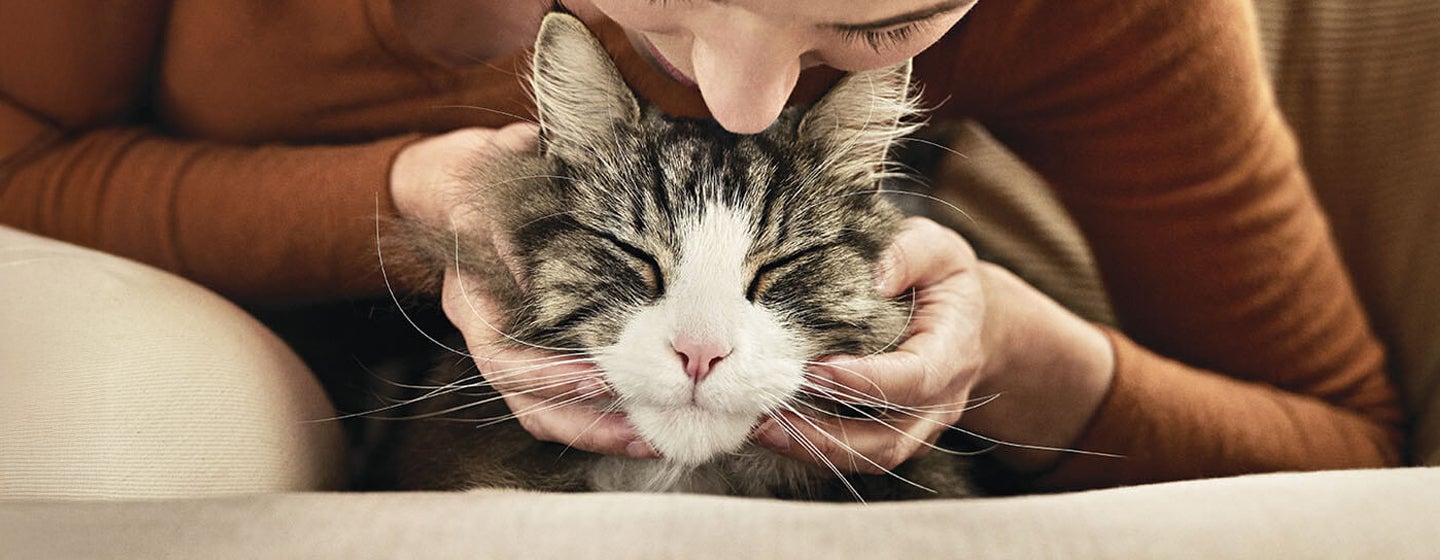
Dental disease in cats is one of the most common conditions seen by vets today. It can also be very painful, especially if left untreated. However, the good news is that – unlike many health problems – it is usually preventable through proper dental care for cats.
Health
Feeding & Nutrition
Cat Acne and How to Treat It
Cat Acne: Treatment And Prevention
4 mins read
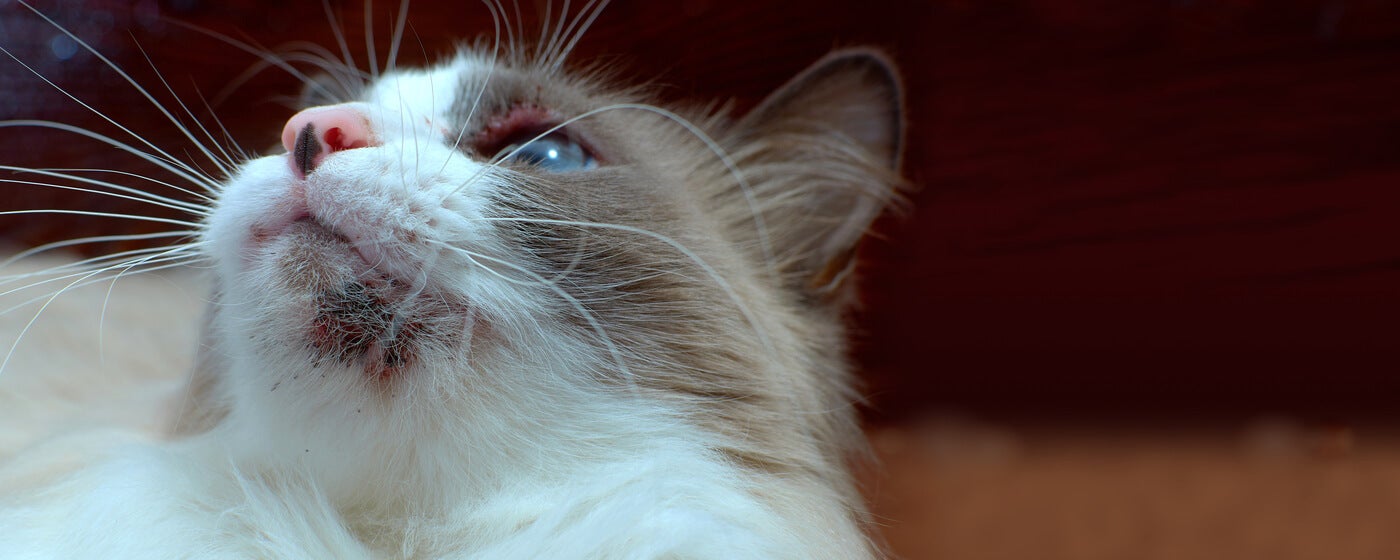
Cats are susceptible to developing acne just as us humans. Here is what you need to know if you start noticing stubborn pimples that won’t go away. Unfortunately, acne is not a problem reserved for humans. Cat acne also exists and can affect felines quite often. Although it’s still unclear why it develops, there are a few things a cat owner should know to help their pet get back to their normal self. Keep reading to find out how feline acne manifests and what cat acne treatment is most effective in alleviating the condition. What is cat acne? Cat acne, or follicular keratinization as it’s officially known, forms when the hair follicles are blocked due to an excessive production of keratin, a protein found in the skin. In cats, acne mostly forms around the chin area, which is why it’s commonly referred to as cat chin acne. What does cat acne look like? Cat acne manifests itself as small bumps accompanied by blackheads or whiteheads, similar to humans. But on a cat’s skin it can often take an appearance that looks more like dirt than pimples, which is why many owners don’t even notice the skin condition. Severe cases can lead to hair loss, redness and even bleeding. What causes cat chin acne? The causes of cat acne are still largely a mystery. It is believed that plastic can encourage the breakout as it’s been mostly noticed in cats that use plastic bowls for food and water. Poor grooming, especially in older cats, can also lead to acne. But there are a series of underlying conditions that can have a contribution as well: • Poor immune system. • Stress. • Food allergies. • Hormone imbalances. • Hyperactive sebaceous glands.
Health
Can Dogs Eat Bread?
Can Dogs Eat Bread?
3 mins read
As humans, we eat a lot of bread on a daily basis, but can dogs eat bread too? Find out all you need to know on whether bread is good for dogs and the types to avoid with our guide.
Feeding & Nutrition
Health
Blood in Cat Poo
Blood in Cat Poo
4 mins read
Your cat’s poop is a great indicator to let you give you a good indicator as to their health, know how their body is functioning, and to ensure that everything’s normal. Normally, your cat’s poop will appear firm and brown in appearance, but if you start noticing any unusual changes – especially light to dark red flecks in their feces it can be a sign of a larger problem. Blood in cat poo can have many different causes, including everything from stress to a more life-threatening health issue. We’ve created this handy guide to tell you all you need to know about blood in cat poo, from the possible causes to the treatment options available.
Health
Bathing Cats: Everything You Need to Know
2 mins read
Cats don’t usually need baths, but there are some exceptional circumstances. If they’re rolled in something that they can’t wash off themselves, or they have long hair which has become matted, a bath might be a good idea. Most cats really dislike baths and they can find the experience very stressful. If you’re able to, just clean an isolated area, rather than getting their entire body wet. That said, there are rare occasions when bathing your cat is unavoidable, in which case there are ways to make the experience more comfortable for both of you. However, if your cat needs a bath because they’ve come into contact with toxic substances, take them to the vet first. Before you bathe your cat Get everything you need in one place, so that once you’ve started bathing your cat, everything is within easy reach. You’ll need: • A large plastic bucket, sink or bath (lined with a non-slip floor mat) to use as a cat bath. • Specialist cat or kitten shampoo. Find a mild all-rounder with no harsh chemicals or perfumes. Never use human shampoo, as it’s unsuitable for cat hair and skin due to the difference in p H levels. • A cat conditioner if required. Again, don’t use conditioner for human hair. • A towel or two. • A brush to help remove matts and knots. Bathing your cat
Health
Behaviour & Training
Bad Breath In Cats
Bad Breath In Cats
5 mins read
If your feline friend is suffering from bad breath, often called halitosis, we recommend that you first take them for a check up from your vet. They will be able to examine your cat’s teeth and mouth to check there isn’t a serious issue causing your cat’s bad breath. Keep reading to find out about the possible causes of feline halitosis.
Health
Feeding & Nutrition
Cat Myths and Misconceptions
8 Cat Myths and Misconceptions
5 mins read
Over the years, cats have baffled just about everyone – from owners to behaviourists and even scientists. Because of their mysterious nature, there are numerous cat myths and rumours that are commonly believed, but just how true are they? Cats are enigmatic creatures that many people struggle to understand. Over the years, this has seen our furry friends shrouded in a variety of myths, including some outlandish rumours that even reported that they were in league with the devil! The majority of cat myths have since been debunked thanks to science and lashings of common sense. Keep reading to find out the truth behind the butter on cats’ paws rumour, if black cats are bad luck and more.
Behaviour & Training
5 Tips to Improve Your Cat's Gut Health
3 mins read
From digestion to immunity, your cat’s gut health plays a major role in their overall health and happiness. Below are 5 simple and effective tips to help you care for the health of your cat’s intestine. 1. A balanced diet An appropriate well-balanced diet for your cat’s metabolism is a great way to improve your cats’ gut health. Therefore, choosing a diet adapted to your cat’s needs is a key factor: choosing a cat food specially formulated to help support your cat’s natural defences can help. Consumption of heat-treated lactobacilli has been proven to help support natural antibody production in your cat’s intestinal tract, while Omega-6 acids, and other selected nutrients, help support a healthy skin and a radiant coat. On the contrary an unbalanced diet can be harmful for your cat’s gut health. Avoid all food that could be toxic (such as garlic, chocolate or avocado), food that could cause wind (e.g. cabbage beans) or food that could lead to weight gain (human food tidbits). 2. Grooming Our cats love being pampered!! Make the most of it and groom them regularly: not only will you love hearing them purr, but by grooming them you will also help prevent them from ingesting large quantities of hair, which can cause constipation and affect your cats gut health. 3. On your marks…Ready? Play! Exercising holds many benefits: not only does it stimulate your cats intestine, which is useful for regular bowel movements, but it also helps you to keep your cat‘s weight and stress levels under control. 20 minutes of exercise daily, split into two different sessions, will boost your pet’s energy level and strengthen your relationship. 4. Take it easy She who goes slowly, goes healthily: cats are particularly sensitive to diet changes and modifications. Should you change your pet’s food it is recommended to proceed step by step.
Health
Feeding & Nutrition
Common Dog Digestive Problems
9 mins read
Your dog’s digestive system can normally look after itself, as long as it is getting the right food and nutrition. But even with your care it can sometimes encounter unexpected problems. Your dog loves the nutritious food and occasional treats you give them – a great meal time is all part of their fun and active lifestyle! When their food is such a source of excitement for them and a pleasure for you, it can be easy to forget about keeping an eye on their digestive health. But there’s no need to worry – many of these problems are easily solved through a change in diet. Keep reading to find out about keeping your dog’s digestive health in order, and common problems to look out for.
Health
Feeding & Nutrition
Harmful Substances and Foods for Dogs
5 mins read
There are many common foods that dogs can’t eat and non-food substances, including plants, which are potentially poisonous. Some of these you’ll know, while others might come as a surprise. Many foods, medicines and plants which are safe for humans, can be toxic to our pets. In fact, some common household items can be life-threatening for dogs. We’ve put together this comprehensive guide so you can learn about poisonous foods for dogs, which plants to avoid and what chemicals to always keep out of reach of your four-legged friend. Some of the items on this list may surprise you! What foods can'tdogs eat? We all love to treat our pups to the occasional treat! While some human foods are fine in moderation, others should be avoided entirely. Harmful foods for dogs include: Certain fruits and vegetables Many fruits and vegetables are fine for dogs to eat in small quantities, butcan pose a choking hazard if they're notcut into small piecesand fed under supervision. However, the following foods should be avoided, and can be very toxic, even in small amounts: • Raisins. • Sultanas. • Grapes. • Onions. • Garlic. • Some kinds of wild mushrooms. Other plants that can cause toxicity in dogs when eaten in largequantitiesinclude: • Rhubarb (mainly leaves). • Potato leaves and stems. • Tomato leaves and stems. • Apple seeds, Cherry pits, Apricot pits, Peach pits, present a small risk only but can cause obstructions in the digestive system.
Feeding & Nutrition
Health

Pagination

  • First page
  • Previous page
  • …
  • Page 119
  • Page 120
  • Page 121
  • Page 122
  • Page 123
  • Page 124
  • Page 125
  • Page 126
  • Page 127
  • Next page
  • Last page
Purina Pet Club logo

Join Purina Pet Club for expert tips, helpful advice, exclusive offers and rewards.

Join the Club
Nourishing pets Purina pets grid card
Purina Pet Club logo

Join Purina Pet Club for expert tips, helpful advice, exclusive offers and rewards.

Join the Club
Nourishing pets Purina pets grid card

Footer

  • Cat
    • Care & Advice
    • Find a Pet
    • Food
    • Our Brands
  • Dog
    • Care & Advice
    • Find a Pet
    • Food
    • Our Brands
  • About Us
    • Our Mission
    • Our History
    • Our Purina Promise
    • Purina In The Community
  • Other
    • Join Purina Pet Club
    • Breed Selector
    • Contact Us

Footer

  • Cat
    • Care & Advice
    • Find a Pet
    • Food
    • Our Brands
  • Dog
    • Care & Advice
    • Find a Pet
    • Food
    • Our Brands
  • About Us
    • Our Mission
    • Our History
    • Our Purina Promise
    • Purina In The Community
  • Other
    • Join Purina Pet Club
    • Breed Selector
    • Contact Us

Footer

  • Cat
    • Care & Advice
    • Find a Pet
    • Food
    • Our Brands
  • Dog
    • Care & Advice
    • Find a Pet
    • Food
    • Our Brands
  • About Us
    • Our Mission
    • Our History
    • Our Purina Promise
    • Purina In The Community
  • Other
    • Join Purina Pet Club
    • Breed Selector
    • Contact Us

Footer

  • Cat
    • Care & Advice
    • Find a Pet
    • Food
    • Our Brands
  • Dog
    • Care & Advice
    • Find a Pet
    • Food
    • Our Brands
  • About Us
    • Our Mission
    • Our History
    • Our Purina Promise
    • Purina In The Community
  • Other
    • Join Purina Pet Club
    • Breed Selector
    • Contact Us
© 2026 Purina. All Rights Reserved.

©Reg. Trademark of Nestlé S.A.

Terms & Conditions
Privacy Policy
Cookies
© 2026 Purina. All Rights Reserved.

©Reg. Trademark of Nestlé S.A.

Terms & Conditions
Privacy Policy
Cookies
© 2026 Purina. All Rights Reserved.