Sorry, you need to enable JavaScript to visit this website.
Skip to main content
Ringworm in Cats
Ringworm In Cats: Symptoms, Diagnosis And Treatment
4 mins read
Despite the name, ringworm in cats has nothing to do with worms! If you suspect your cat has this fungal skin condition, it’s important that it gets treated as soon as possible to prevent spreading to other animals or even you. Ringworm in cats is a highly contagious fungal infection of the skin. It is more common in kittens and long-haired cats, but can affect any breed and age. It is also a zoonotic disease meaning it can spread to humans, particularly people who are immunocompromised. Despite the name, ringworm is not actually caused by a worm at all, rather a group of fungi called dermatophytes and can be referred to by its medical name dermatophytosis. Due to the highly contagious nature of the condition, it’s essential that ringworm treatment for cats is sought as soon as possible. If you suspect that your cat is suffering from ringworm, keep reading to find out what you should do. What is ringworm in cats? This common skin condition is a fungal infection which feeds on the keratin in a cat’s fur, skin and nails. It’s called ‘ringworm’ because the fungus creates circular ring-like lesions on your cats’ skin, usually also associated with hair loss. These are often found on the head, ears, along the ridge of the back and on the front legs, but they can be present anywhere on the body. How do cats get ringworm? Ringworm in cats is highly contagious and is most commonly caught through contact with infected cats. It can spread rapidly in multi-pet households as it gets distributed via fungal spores on skin and hair that’s been shed. Ringworm is very common in kittens under the age of one as their immune systems are still developing. It also affects long-haired cats more, because the fungus gets trapped in the longer coat and is harder to remove. Symptoms of ringworm in cats Sometimes ringworm in cats can be hard to detect as symptoms may be very mild. If your cat displays symptoms, it’s likely to include of the following:
Health
Puppy Training Advice and Tips
4 mins read
In all the excitement of bringing your new puppy home, it’s important to remember to start their training right away. The sooner you introduce good habits, the better it will be for both of you as your puppy beings to understand basic commands and gets to grips with your house rules. Puppy training doesn’t just improve their manners; it’s a fun and rewarding way for you to spend quality time together and really helps you strengthen your bond. Most dogs love training – it’s a chance for them to challenge their brains, earn rewards and get lots of praise and attention!
Puppy Care
Puppy Games
5 Puppy Games to Bond with Your Furry Pal
3 mins read
Playing with your puppy is a huge part of your relationship, and it has loads of benefits too! Games help keep your playful puppy active and healthy, and it gives you the chance to get to know one another better.
Puppy Care
Behaviour & Training
Outdoor Dog Games
Outdoor Dog Games
7 mins read
Thinking of new and exciting games to play with your pooch can be difficult, especially if you’ve exhausted the thrills of ‘hide and seek,’ and want to play a more exciting game than ‘fetch.’With our list of outdoor dog games, you can be more adventurous at playtime and enjoy the great outdoors come rain or shine!
Behaviour & Training
My Cat Is Not Eating - An Owner’s Guide to Fussy Eating Cats
My Cat Is Not Eating: An Owner’s Guide to Fussy Eating Cats
5 mins read
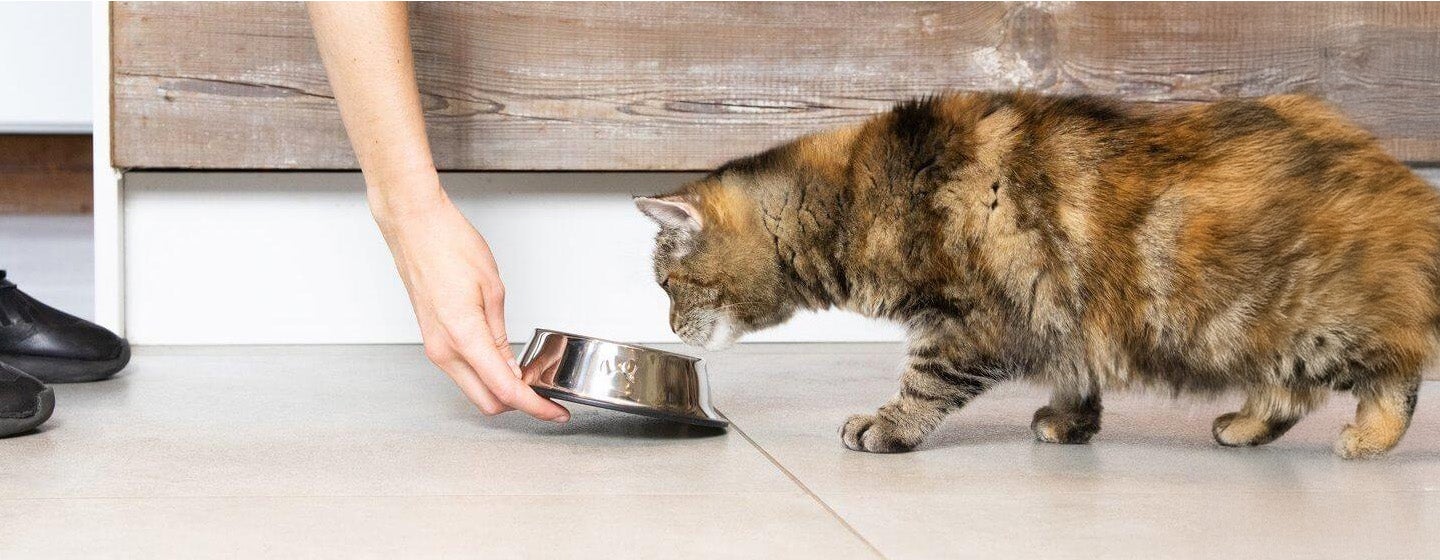
Cats are known for being proud and particular pets, and that doesn’t stop when it comes to what they eat! Like us, each cat will have their own favourite food and flavours, so fussy eating cats might turn their nose up at something that doesn’t tantalise their taste buds. If you find that your feline is being especially fussy, or that your cat is not eating at all, there are certain things you can try to get them gobbling up their dinner. However, if your cat is off their food for more than a day this can lead to serious complications including hepatic lipidosis (fatty liver). Contact a vet for advice if the following tips don’t improve your cat’s appetite. Why is your fussy cat not eating? Cats can be very fussy eaters, and this can be exacerbated by some of the factors listed below. Anorexia can also be a symptom of illness or disease, so you should seek veterinary advice if your cat has not eaten for more than 24-48 hours.
Feeding & Nutrition
Behaviour & Training
Mental Stimulation for Your Indoor Cat
5 mins read
Just because cats are now residents of the indoors it doesn’t mean they’re leaving the hunting days behind to turn into couch-potato cats. Healthy cats are physically and mentally active well into their golden years which is why providing the right type of stimulation to your indoor cat is essential. The small stature and gentle purr of our feline snuggling companions don’t make it obvious, but behind all that cuteness beats a wild heart that would love nothing more than to go hunting, scratching, hiding or climbing. You’re likely to prefer these activities to take place outside and away from the couch, shelves and carpets. But what is an indoor cat to do with all their energy? This is where cat mental stimulation comes in to save the day (and your furniture). There are plenty of ways to keep an indoor cat entertained and their hunting instincts well exercised. From stimulating cat toys you can buy, to DIY toys you can make out of as little as a paper bag, we’ve put together some of the most effective ways to offer your cat mental stimulation without even leaving the living room.
Kitten Care
Behaviour & Training
Lungworm in Cats – Symptoms and Treatment
3 mins read
If your cat is suffering from coughing fits and lack of energy, lungworms might be the culprit. Find out more about symptoms and treatment. Lungworms in cats can pose a series of dangers for your little ball of fur. These parasites travel the distance, hopping from host to host looking for perfect places to burrow into and every once in a while an unlucky cat becomes a stop on their route. Although less common than intestinal worms, lungworms are not to be ignored. Here are a few useful things to know about lungworm in cats and how you can help your cat get back to a clean bill of health.
Health
Kitten Socialisation: Teach Your Cat the Basic Life Skills
6 mins read
There are so many things to learn for a new kitten making their first steps into the world. Discovering it all by themselves can be a little bit scary, but luckily you can do a lot to help them learn the ropes of their new life. These are the basics of kitten socialisation. The world is such a big place for a kitten just starting to figure out where exactly they fit in it. A kitten’s early life is noisy, busy and full of new experiences. There are humans everywhere, other kittens roaming around, older cats, objects big and small, plus all sorts of startling strange sounds and smells. Deciphering what they all mean will take a little while which is what the period known as kitten socialisation is for. All of this can be overwhelming when you get a new kitten, as they arrive in your house and everything is new to them. Find out how to turn your shy ball of fur into a confident and happy adult cat and help your kitten learn life’s first lessons quickly. What is kitten socialisation? Kitten socialisation is the period of time early on in a cat’s life when they start to learn what is safe in their environment by getting familiar with different experiences, people, pets and even sounds. Exposure to new things from the beginning is crucial for cat socialisation, but make sure not to overwhelm the small bundle of joy with more information than they can handle. When should you teach kitten socialisation? Although the exact timeline for kitten socialisation is still being debated among specialists, the first 8-10 weeks are usually considered crucial for the process of socialisation. Kittens are like a sponge for new information, especially in their early days, which means there will never be a better time to show your kitten the ropes of life in general, and family time in particular. It is very possible that by the time you get to meet your new kitten the socialisation period has long passed. In this case it’s at the breeder’s house or at a rescue centre where they will have learned (or not) the first things about people and what role they play in a cat’s life. But this doesn’t meant cats have learned all they need to know about the world around them. It’s important to check with the breeder to see if there is anything in particular you need to focus on. After all, if your new kitten can’t help but duck for cover every time the alarm clock goes off, you want to know about it early on so you can continue the kitten socialisation job at home. Although the first weeks are essential, don’t forget that your kitten is likely to deal with new things long after their first birthday. Cat socialisation doesn’t stop after the 10-week marker, especially when the time comes to move into your home. Top tips on how to socialise your kitten Chances are that the first time you’ll welcome the new kitten into your home, you’ll notice they’re stepping into their new life somewhat reluctantly. They might be a bit shy or even looking frightened by all the attention they’re getting. Your first instinct will be to lift the ball of fur up and comfort them, but this might actually make matters worse as it can add to their panic. Here are some useful tips for socialising your kitten with the least amount of distress for everyone involved. Keep everyone calm Once they’re rested and are confident in their room, then it’s time to meet their new human family. This is obviously a very exciting moment, but do try to keep everyone calm. Before introducing a new kitten to the home, everyone should sit still on the floor and agree one rule - only touch the kitten if the kitten comes to you. No grabbing There mustn’t be any grabbing or arguing between the kids, or it will frighten your pet. If the kitten tries to hide, coax them out with a toy or a treat to encourage them to be sociable, but never grab or force them.
Kitten Care
Behaviour & Training
Kidney Problems in Cats Causes and Treatments
Kidney Problems in Cats: Causes and Treatments
5 mins read
Kidney problems in cats are common, especially as they age. Cats' kidneys play vital roles in keeping them healthy - removing toxins, regulating blood pressure, and helping produce hormones for new red blood cells. With so much to do, it’s perhaps not surprising that as cats get older, it’s quite common for their kidneys to wear out after working so hard. There are a number of causes for kidney failure, from cat kidney diseases to tumours, and these problems can be acute or chronic. Read on to learn more.
Health
Feeding & Nutrition
Behaviour & Training
Is My Cat a Senior Yet?
4 mins read
Your cat is an important part of your family, and we understand that it’s not nice to think of your fluffy companion getting older. As felines don’t get fine lines and wrinkles like us, the signs of old age in cats aren’t always obvious. Changes in your cat are most likely to start on the inside as they approach their golden years, and they will gradually age like we do. But there are a few tell-tale signs you should be aware of. We explore them, next.
Senior Care

Pagination

  • First page
  • Previous page
  • …
  • Page 116
  • Page 117
  • Page 118
  • Page 119
  • Page 120
  • Page 121
  • Page 122
  • Page 123
  • Page 124
  • …
  • Next page
  • Last page
Purina Pet Club logo

Join Purina Pet Club for expert tips, helpful advice, exclusive offers and rewards.

Join the Club
Nourishing pets Purina pets grid card
Purina Pet Club logo

Join Purina Pet Club for expert tips, helpful advice, exclusive offers and rewards.

Join the Club
Nourishing pets Purina pets grid card

Footer

  • Cat
    • Care & Advice
    • Find a Pet
    • Food
    • Our Brands
  • Dog
    • Care & Advice
    • Find a Pet
    • Food
    • Our Brands
  • About Us
    • Our Mission
    • Our History
    • Our Purina Promise
    • Purina In The Community
  • Other
    • Join Purina Pet Club
    • Breed Selector
    • Contact Us

Footer

  • Cat
    • Care & Advice
    • Find a Pet
    • Food
    • Our Brands
  • Dog
    • Care & Advice
    • Find a Pet
    • Food
    • Our Brands
  • About Us
    • Our Mission
    • Our History
    • Our Purina Promise
    • Purina In The Community
  • Other
    • Join Purina Pet Club
    • Breed Selector
    • Contact Us

Footer

  • Cat
    • Care & Advice
    • Find a Pet
    • Food
    • Our Brands
  • Dog
    • Care & Advice
    • Find a Pet
    • Food
    • Our Brands
  • About Us
    • Our Mission
    • Our History
    • Our Purina Promise
    • Purina In The Community
  • Other
    • Join Purina Pet Club
    • Breed Selector
    • Contact Us

Footer

  • Cat
    • Care & Advice
    • Find a Pet
    • Food
    • Our Brands
  • Dog
    • Care & Advice
    • Find a Pet
    • Food
    • Our Brands
  • About Us
    • Our Mission
    • Our History
    • Our Purina Promise
    • Purina In The Community
  • Other
    • Join Purina Pet Club
    • Breed Selector
    • Contact Us
© 2026 Purina. All Rights Reserved.

©Reg. Trademark of Nestlé S.A.

Terms & Conditions
Privacy Policy
Cookies
© 2026 Purina. All Rights Reserved.

©Reg. Trademark of Nestlé S.A.

Terms & Conditions
Privacy Policy
Cookies
© 2026 Purina. All Rights Reserved.